
Iron Nest: How a Cannon Simulator Became Steam Next Fest’s Surprise Hit
Amidst a disappointing Steam Next Fest, *Iron Nest: Heavy Turret Simulator* has emerged as an unexpectedly captivating demo, demonstrating the power of focused gameplay and tactile simulation. The game’s success challenges assumptions about what makes for engaging experiences.
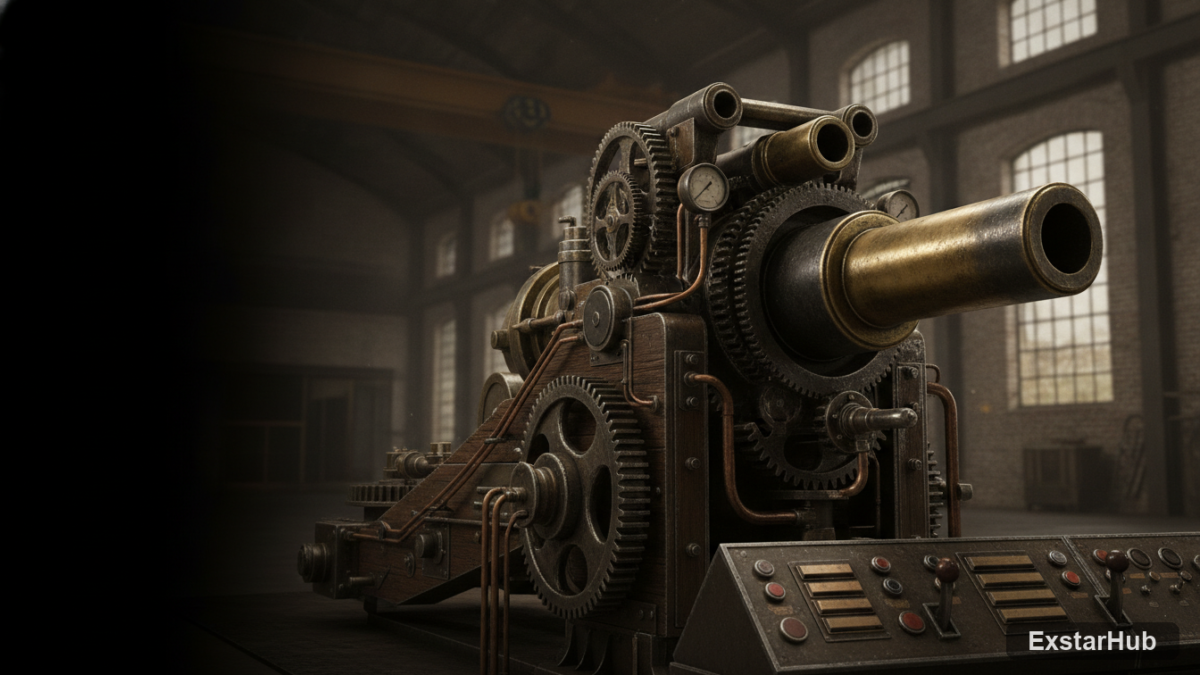
Steam Next Fest can be an exercise in sifting through the chaff to find something genuinely interesting – this year’s iteration seems particularly guilty of that. Yet, amidst the noise, one demo has emerged as a standout: Iron Nest: Heavy Turret Simulator. It’s not just trending; it’s earning praise for its unexpectedly deep and rewarding gameplay loop—a triumph that highlights how even seemingly niche concepts can deliver exceptional experiences.
The Unlikely Appeal of Cannon Operation
Developed by a two-person team, Nick Nieuwoudt and Dominik Latos, Iron Nest has garnered a remarkable “Overwhelmingly Positive” score on Steam. The game puts you in the role of an Operator working for the cartoonishly villainous High Command, tasked with operating a massive cannon. It’s less about firing the weapon and far more about the intricate process of loading it – charting ranges, calculating powder charges, rotating turrets, and inputting elevation data. The game’s premise alone might seem unlikely to capture widespread attention; artillery operation isn’t exactly an action-packed spectacle. However, the developers’ meticulous approach transforms this niche activity into a surprisingly compelling gameplay experience.
Beyond Firing: A Simulator of Precision
The gameplay isn’t a simple point-and-shoot affair. Players must meticulously follow commands from High Command while also receiving potentially conflicting messages from troops on the front lines. This creates an intriguing dynamic where players are complicit in destructive actions, as demonstrated by the game’s early mission that involves inadvertently destroying an allied hospital. The realism extends beyond just the calculations; equipment interaction feels tangible, making even seemingly mundane tasks rewarding. The detail is remarkable – you’re not simply pressing a button to load a shell; you meticulously rotate valves, pull levers, and input data into clunky machinery, all while under pressure from High Command and potentially facing enemy fire. This level of simulation isn’t about realism for its own sake—it’s about creating an immersive and satisfying loop.
A Rhythm of Meticulousness
What makes Iron Nest so compelling isn’t its narrative (though the dieselpunk aesthetic and faceless antagonists are well-executed), but the deliberate pace. The strict order of operations forces players to actively engage their brains, creating a strange rhythm that is surprisingly relaxing. Dealing with incomplete data, malfunctioning equipment, and even enemy fire adds layers of complexity without feeling overwhelming. It’s an experience that defies expectations – you spend almost all your time not firing the cannon. The game cleverly subverts expectations, offering a unique blend of tension and methodical routine—a bizarrely calming combination for those seeking refuge from more frantic gaming experiences.
Why it Matters
Iron Nest‘s success is a reminder that compelling gameplay doesn’t require flashy graphics or sprawling narratives. Its focus on tactile simulation and meticulous detail resonates with players seeking an experience beyond typical action-oriented games. The game also demonstrates the power of embracing niche concepts, proving that even something as seemingly specific as cannon operation can be a source of unexpected enjoyment. It’s a testament to how tight design and satisfying mechanics trump spectacle in creating memorable gaming moments – and provides valuable insight for smaller studios looking to find their audience. The demo’s performance suggests a broader hunger within the gaming community for experiences that prioritize deliberate interaction and immersion over constant action, an insight that could shape future game development trends.
Key takeaways
- Don’t dismiss seemingly niche simulator games; Iron Nest proves that focused gameplay can be incredibly engaging.
- Tactile feedback and deliberate mechanics can create a surprisingly relaxing gaming experience.
- The game’s success underscores the value of originality and attention to detail in game development.
- Check out Steam Next Fest, but be prepared to dig for hidden gems amidst a sea of demos.
FAQ
What is Iron Nest: Heavy Turret Simulator?
It’s a simulator developed by two people that places you in the role of an artillery operator, focusing on the meticulous process of loading and aiming a massive cannon rather than just firing it.
Is there a story in Iron Nest?
The game presents a narrative where players work for a cartoonishly evil military organization with ambiguous goals, highlighting their complicity through actions like inadvertently destroying an allied hospital.
Conclusion
Iron Nest is more than just a demo; it’s a compelling glimpse into what focused design and tactile simulation can achieve. Expect to hear much more about this unusual simulator in the years ahead.
Source: Kotaku