Anthropic’s Claude Tag: Is AI Finally Ready to Tame Slack?
Anthropic’s new Claude Tag feature for Slack aims to conquer the endless scroll, but its rollout as a research preview raises questions about how far AI can realistically shape our workflows. This integration signals more than just summarization – it hints at a future where AI actively manages digital collaboration.
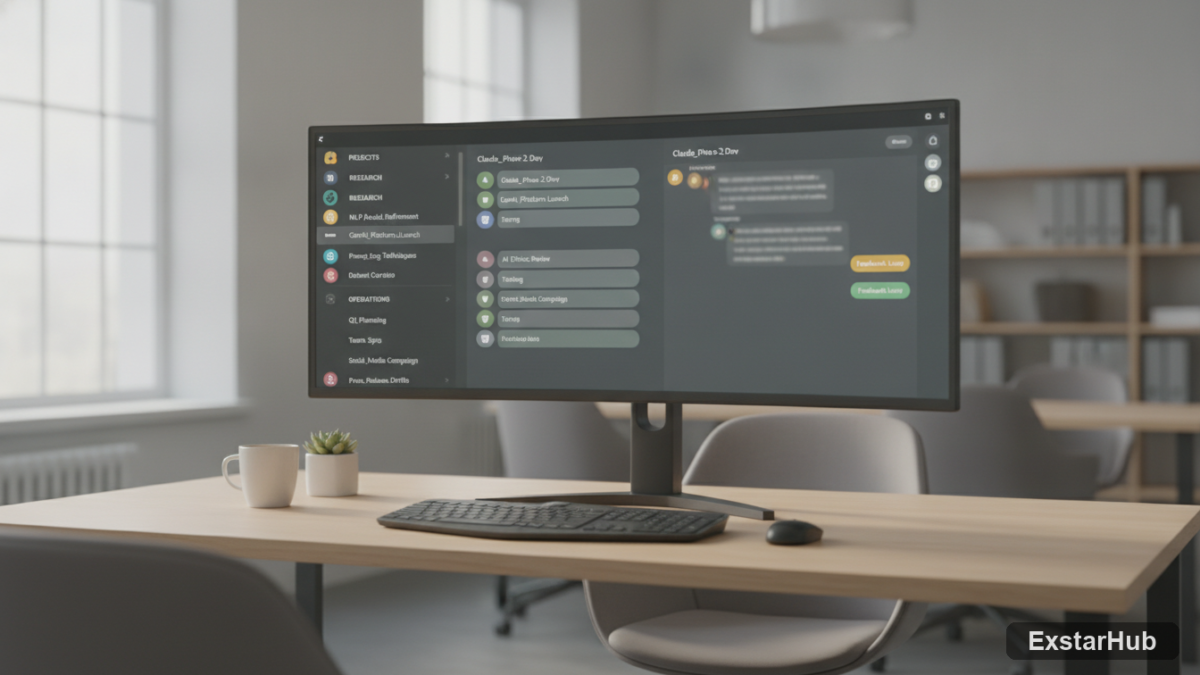
The sheer volume of messages coursing through Slack channels has become a significant drag on productivity—a constant battle against information overload. Anthropic‘s recently launched Claude Tag feature proposes a solution, offering automated summaries and organization for Slack users. Available as a research preview to select customers, this integration isn’t just about summarizing conversations; it’s an early demonstration of AI agents actively shaping our digital workflows, and its implications extend far beyond simple text summarization.
Understanding Claude Tag: Automated Summaries in Slack
Claude Tag leverages Anthropic’s large language model (LLM) to analyze Slack conversations and generate concise summaries. Users can then add these tags as metadata to messages, effectively creating a searchable archive of key discussion points—a vital improvement over relying on keyword searches or manually curated threads. Currently accessible only through the research preview program, functionality is subject to change based on user feedback and ongoing development at Anthropic. The initial rollout focuses on providing suggested tags but also allows users to create custom tags as needed.
The Technical Details: How Tagging Works
At its core, Claude Tag’s functionality relies on the LLM’s ability to identify salient information within Slack threads—a process that goes beyond simple keyword extraction. Anthropic’s models analyze message content to extract key topics, relevant entities (people, companies, projects), and actionable items, then generate a short tag reflecting these findings. The system is designed for minimal user intervention; once configured, it runs passively in the background, continuously analyzing conversations and suggesting tags. Users can accept suggested tags with a single click or create their own custom tags to further refine organization within specific channels.
Beyond Summarization: A Glimpse into Future AI Assistants
While the current iteration of Claude Tag focuses primarily on summarizing existing discussions, the underlying technology holds significant potential for more proactive assistance. Imagine a future where an AI assistant not only summarizes conversations but also automatically identifies and assigns action items, flags potential risks based on sentiment analysis, or even proactively suggests relevant documents from connected knowledge bases. This initial experiment with tagging represents a crucial step towards that vision—demonstrating the feasibility of embedding AI into collaborative workflows to improve efficiency and reduce cognitive load.
Why it matters: The Future of Workplace Communication
The integration of generative AI capabilities like those in Claude Tag into communication tools such as Slack isn’t merely about improving workplace efficiency; it represents a broader shift in how we work and collaborate. This move validates the potential for AI to actively manage our digital workspaces, reducing cognitive overload and freeing up time for more strategic tasks. The technology also highlights the growing importance of data governance and responsible AI implementation within enterprise environments, as sensitive information is increasingly processed by automated systems.
Key takeaways
- Participate in the research preview: If you’re selected, actively provide feedback to Anthropic; your input will directly shape Claude Tag’s future development.
- Explore AI-powered workflow solutions: Look beyond basic chatbots and investigate tools that proactively organize and summarize your work—the market is rapidly evolving.
- Prioritize data privacy considerations: Be mindful of how sensitive information is handled when integrating AI into workplace communication platforms; review Anthropic’s privacy policies carefully.
- Assess the accuracy and reliability: Remember that LLMs are not infallible; critically evaluate generated summaries and tags to ensure accuracy and avoid potential misunderstandings.
FAQ
What are the current limitations of Claude Tag?
As a research preview, Claude Tag’s performance is still evolving. Accuracy may vary depending on the complexity of conversations and the clarity of messaging. Furthermore, LLMs can sometimes “hallucinate” or misinterpret context, so user oversight remains essential.
What are Anthropic’s plans for broader availability?
Anthropic has not yet announced a timeline for wider release. The research preview program is crucial for gathering feedback and refining the technology before a potential public launch—expect further updates in the coming months.
Conclusion
Anthropic’s Claude Tag marks more than just a clever Slack integration; it’s a tangible step toward a future where AI actively participates in our daily workflows, shaping how we communicate and collaborate. The challenge now lies in ensuring this technology matures responsibly and delivers genuine value without compromising data privacy or introducing new sources of error.
Source: Reuters