The Digital Erasure of Great Rockstar Games You Can’t Buy Anymore
Rockstar Games is quietly scrubbing its most influential early titles from digital storefronts due to licensing hurdles and controversy.
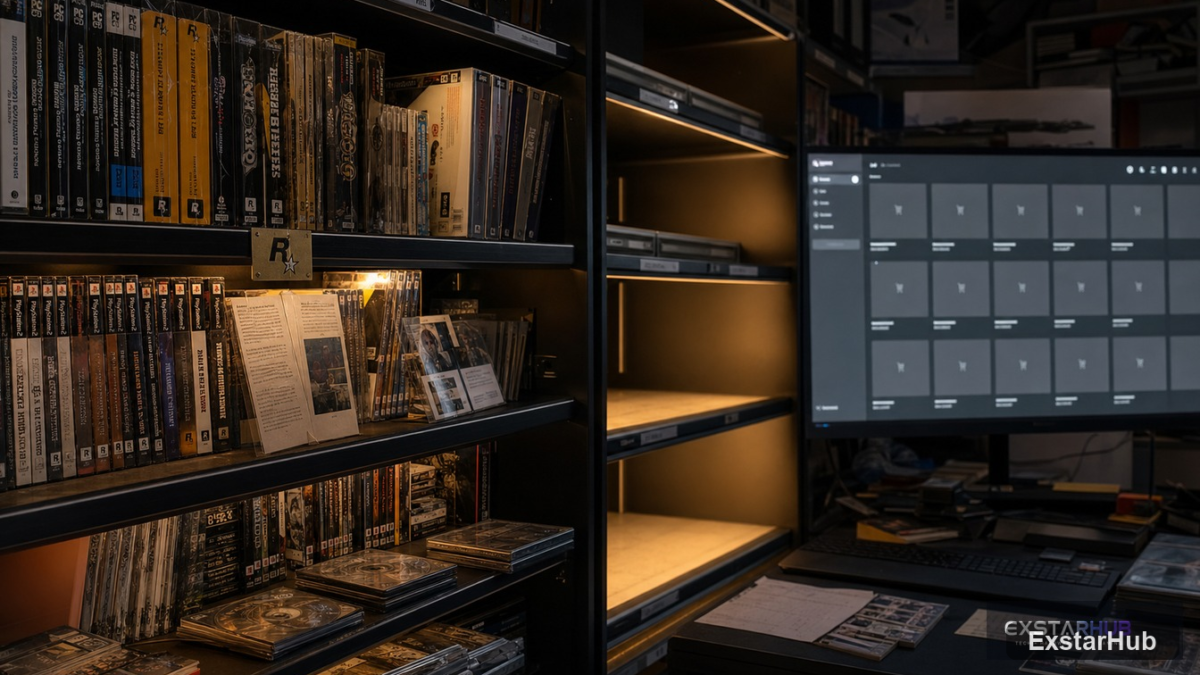
While Rockstar Games currently dominates the cultural zeitgeist with massive open-world hits, a significant portion of their playable history has been effectively scrubbed from modern digital storefronts. Finding great Rockstar games you can’t buy anymore isn’t just a matter of preference; it is a growing trend of digital erasure where licensing conflicts and past controversies have turned legendary titles into ghost stories for new players.
The Licensing Trap: Why Racing Classics Vanished
For fans of arcade-style speed, the disappearance of the Midnight Club series represents a major blow to Rockstar’s accessible catalog. Both Midnight Club 3: DUB Edition Remix and its handheld sibling, Midnight Club: L.A. Remix, were staples of early 2000s street racing. They offered high-speed, over-the-top action featuring licensed vehicles and extensive music libraries.
The reason these titles are no longer available for purchase is straightforward but devastating for preservation: licensing. Because these games relied on real-world car brands and specific music tracks, the rights have likely expired or become too costly to renew for a modern digital storefront. As a result, players looking to experience these unique open-city street racing environments are left with no official path to purchase them online.
Controversy and Delisting: The Case of Manhunt 2
Unlike the racing titles lost to contracts, Manhunt 2 was sidelined by its own notoriety. As a psychological stealth-horror game that pushed the boundaries of violence, it faced intense scrutiny from ratings boards across the globe in 2007. Some versions were censored at launch while others were blocked entirely.
Even though the game remains a dark masterpiece of tension and fractured psychology, its history of controversy makes it a pariah for modern digital distribution. Today, if you want to play this gritty experiment, your only options are hunting down expensive used physical copies or finding original hardware from the PS2 or Xbox eras. It is a prime example of how a game’s reputation can outlive its availability.
The GTA Trilogy and the Steam Exclusion
Perhaps the most frustrating instance of restricted access involves the original Grand Theft Auto trilogy: GTA 3, Vice City, and *San Andreas*. Following the disastrous launch of The Definitive Edition—which was plagued by bugs and widespread hatred—Rockstar took a peculiar step. They removed the original base games from major third-party platforms like Steam.
While you can technically still find the trilogy on Rockstar’s own store, it is not widely advertised to the general public. For many PC gamers who consider Steam their primary hub, these foundational titles are effectively non-existent. This leaves a strange situation where some of the most culturally significant games in history are only available through a specific, less visible gateway while being officially absent from mainstream marketplaces.
The Forgotten Roots: Wild Metal Country
Before Rockstar became synonymous with crime and cars, they were experimenting with sci-fi tank combat. Wild Metal Country (originally developed by DMA Design) was a vehicle-based action game that focused on aggressive, arcade-style battles across alien planets. It predates the studio’s modern fame but showcased their early interest in wide, open environments.
This title has suffered the most complete digital erasure. While it was once offered as a free “Rockstar Classic” download in 2004 and briefly appeared on Steam, both versions have been pulled. It is now a relic of the studio’s pre-fame era, unavailable for modern purchase or official redownload, leaving its chaotic tank combat behind in the late 90s.
Why it matters: The Erosion of Gaming Heritage
The disappearance of these titles creates a fractured gaming history. When legendary entries are removed due to licensing or past controversy, it prevents new generations from understanding the evolution of open-world design and narrative tension. We risk entering an era where only “safe” licensed content remains available, while the experimental and culturally heavy works that defined the studio’s DNA become inaccessible artifacts for anyone without a deep connection to physical media collectors.
Key takeaways
- Licensing is a gatekeeper: Titles like Midnight Club are gone because Rockstar cannot maintain rights for hundreds of licensed cars and songs.
- Controversy limits availability: Manhunt 2 remains a
Source: Military.com