Why China’s Backdoor Allegations Against Claude Code Force a New Security Standard
Chinese authorities have flagged potential security vulnerabilities in Anthropic's new coding tool. The dispute highlights the growing friction between Western AI expansion and global security standards.
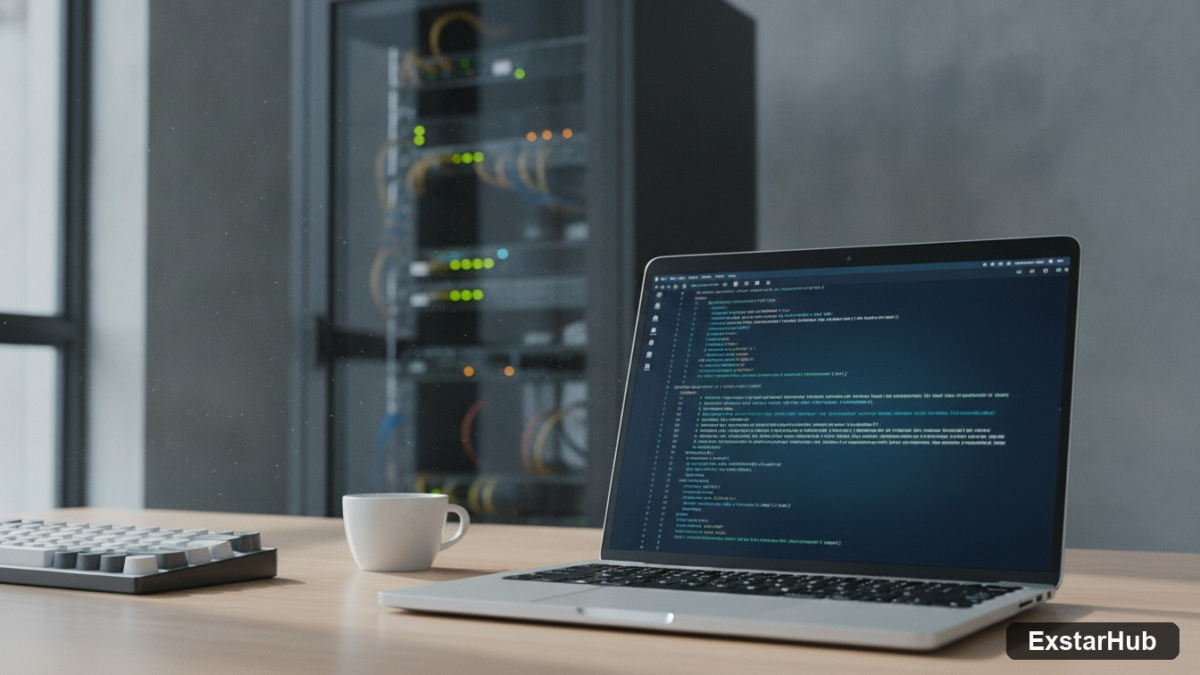
The geopolitical tension surrounding China Claims “Backdoor” Security Risk in Claude Code, Anthropic Responds isn’t just a standard corporate spat; it represents a fundamental shift in how we audit autonomous agentic software. When a major power like China flags a security risk in an AI tool designed to interact directly with local file systems and terminal environments, the conversation moves from “bugs” to systemic trust issues in the development pipeline.
The Mechanics of the Allegation
At the center of this controversy is Claude Code, Anthropic’s command-line interface tool that allows the AI to execute complex programming tasks. The concern raised by Chinese officials centers on how these agents interpret instructions and handle permissions. If an AI agent has the authority to modify code or run scripts, any inherent bias or pre-programmed behavior—whether intentional or emergent—becomes a potential entry point for unauthorized access.
The core of the argument suggests that because Claude Code operates with high levels of autonomy over sensitive data environments, it could theoretically be influenced by latent instructions. For enterprise users, this means that an AI tool capable of “fixing” code is simultaneously capable of altering system integrity if the underlying model’s guardrails are compromised or bypassed.
Anthropic’s Defense and Architectural Integrity
Anthropic has responded to these claims by emphasizing their commitment to safety protocols. Rather than dismissing the concerns as mere rhetoric, the company points toward the rigorous testing frameworks they use to ensure Claude Code remains under user control. Anthropic maintains that the tool is designed for transparency, providing users with clear visibility into what actions the AI proposes before execution.
The response highlights a critical technical distinction: the difference between a hard-coded “backdoor” and a model’s inherent unpredictability. Anthropic argues that their safety layers are designed to prevent the very type of exploitation described by Chinese authorities, focusing on strict adherence to user intent rather than hidden directives.
Geopolitical Friction in Software Development
This friction is a byproduct of the race for AI dominance. As Western companies push out powerful developer tools, non-Western regulators are increasingly scrutinizing the “black box” nature of these models. The accusation serves as a warning that software no longer lives in a vacuum; its security posture is now part of a larger geopolitical chess game where reliability and sovereignty are primary concerns.
For developers using Claude Code, this means navigating a landscape where the tool’s functionality is being weighed against national security interests. It puts Anthropic in a difficult position: they must maintain enough openness to build trust with users while hardening their systems against accusations of systemic vulnerability from global competitors.
Why it matters
This situation matters because it signals the end of the “move fast and break things” era for agentic AI. When tools can move files, run commands, and write production code, they require a level of certification that doesn’t exist yet in standard software releases. The friction between China and Anthropic underscores that security audits will soon need to include deep-learning behavior analysis—not just checking for malicious code, but identifying potential “behavioral backdoors” in the weights of the model itself.
Key takeaways
- The focus on Claude Code highlights the inherent risks of giving AI agents high-level permissions on local systems.
- Anthropic is doubling down on transparency and user-controlled execution to counter security allegations.
- Geopolitical tensions are now a primary factor in how enterprise software security is audited and perceived globally.
- Users should prioritize tools that offer “human-in-the-loop” confirmations for all terminal commands.
FAQ
Is Claude Code inherently unsafe to use?
No tool is perfectly safe, but the risks with agentic AI like Claude Code come from its ability to execute actions. Using it in a sandboxed environment or one with restricted permissions is the current best practice for maintaining security.
How does Anthropic verify that there are no backdoors?
Anthropic uses a combination of rigorous safety training, red-teaming, and architectural constraints to ensure that the model follows user instructions without hidden influences. They advocate for a transparent development process where users can see the AI’s reasoning.
Final Take
The standoff over Claude Code shows that as AI moves from generating text to taking action, the scrutiny will move from content safety to operational security. Anthropic needs to prove that their “guardrails” are more than a marketing promise to maintain trust in an increasingly paranoid global market.
Source: Security Magazine