
The Low-Effort Era of AI Slop Movies as a Direct-to-Video Cash Grab
Fountain 0's upcoming 'Odysseus: The Fall' highlights a trend where low-budget AI generation is being used to hijack the prestige of high-end human filmmaking.
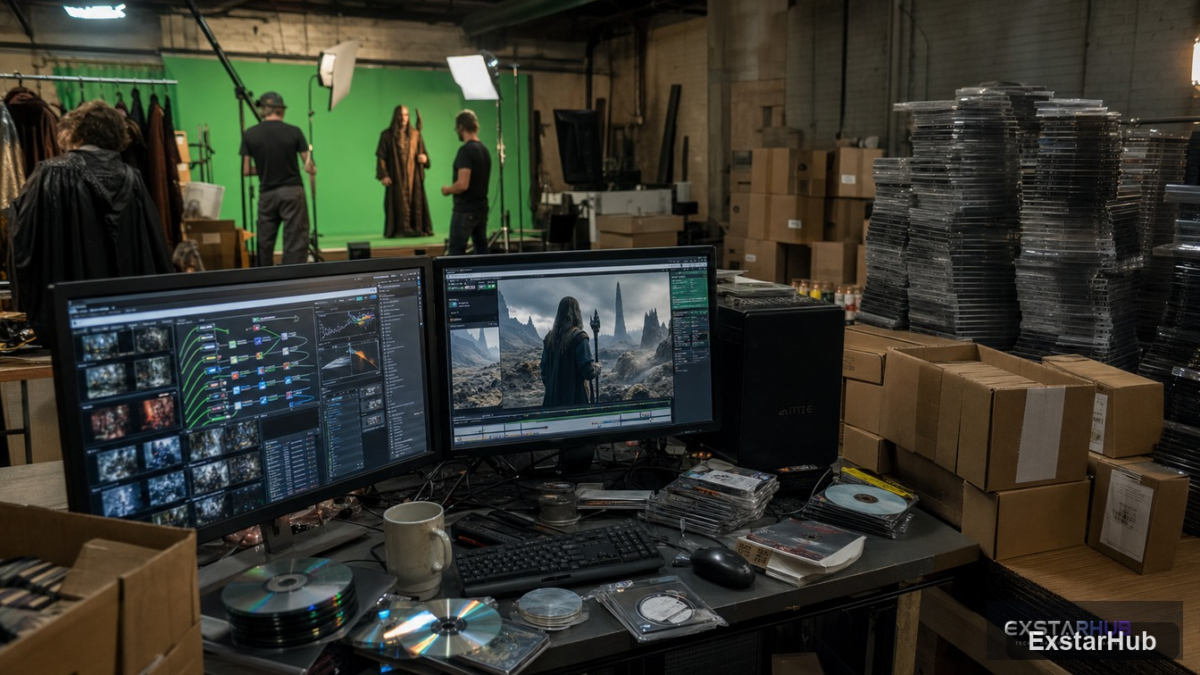
The rise of ai slop movies as a direct-to-video cash grab signals a shift where technical stunts are beginning to replace genuine narrative craftsmanship. By leveraging low-cost generative tools to replicate established intellectual property, studios like Fountain 0 are attempting to commodify the ‘Odyssey’ brand without putting in any of the human labor required to make it meaningful.
The Economics of High-Fidelity vs. Generative Shortcuts
The disparity between traditional blockbuster production and AI-generated content is staggering. Christopher Nolan’s upcoming adaptation of The Odyssey carries a massive $250 million budget, a figure that reflects the sheer scale of human coordination—from practical effects to hundreds of skilled technicians. In stark contrast, Fountain 0’s Odysseus: The Fall reportedly costs only a mid-five figures.
This wasn’t just an expensive project; it was a feat of logistics. By using Kling’s AI video generator and Google’s Nano Banana, director Ash Koosha managed to bypass the grueling reality of physical production. While proponents might call this efficient, the result is often what critics are calling “slop”: over-glossy, visually stiff content that prioritizes prompt execution over artistic intent.
Marketing on Borrowed Prestige
Fountain 0 isn’t just making a movie; it is attempting to ride the coattails of Nolan’s cultural dominance. By releasing an AI-generated version of the same classic story, they are positioning their technology as a point of comparison rather than a legitimate competitor. Executive chairman Tom Rogers has framed the project as a way for viewers to see “what the top state of the art is in AI filmmaking today,” essentially using Nolan’s success to sell Fountain 0’s production workflow.
This strategy mirrors other recent trends, such as ElevenLabs releasing an AI-narrated audiobook of The Odyssey or Particle6 pushing their “AI actress” Tilly Norwood. These are not just creative choices; they are marketing stunts designed to force AI into the public consciousness by latching onto stories that already have high name recognition.
The Loss of Collaborative Craft
Traditional filmmaking thrives on collective human effort—the way a crew builds an atmosphere or how an actor captures nuance. When Ash Koosha voices the entire cast and models Odysseus after his own likeness, he replaces that collaborative friction with a solitary prompt interface. This leads to the “uncanny stiffness” noted in the trailer for Odysseus: The Fall.
The issue isn’t just that the AI looks slightly odd; it’s that the effort involved doesn’t elicit the same emotional response. A film that can be produced for $2,000 (like Koosha’s previous work Dreams of Violets) lacks the structural depth needed to sustain a 135-minute audience experience. It serves as an advertisement for a toolset rather than a celebration of a story.
Why it matters
This trend signals the birth of a “fast-fashion” era for cinema. If studios can generate high-gloss, recognizable content for a fraction of the cost, the market could be flooded with low-quality derivatives that bury original stories. The danger isn’t just that AI will make movies; it’s that these low-effort cash grabs might prioritize “AI hype” over the human elements—emotion, collective craft, and artistic risk—that actually drive long-term film discourse. We are seeing a transition where the ‘content’ becomes a commodity to be cycled through as quickly as possible, potentially devaluing the prestige of high-budget filmmaking.
Key takeaways
- AI slop movies rely on hijacking established IP (like The Odyssey) to gain visibility they can’t earn through original storytelling.
- The budget gap is extreme: Nolan’s $250M production vs. Fountain 0’s mid-five figure AI project highlights a shift toward volume over value.
- Current AI workflows often result in “uncanny stiffness,” lacking the emotional depth of human-led collaborative filmmaking.
- These projects function primarily as advertisements for production tools rather than earnest cinematic interpretations.
FAQ
What is an AI slop movie?
The term refers to low-effort, high-gloss films generated using AI tools (like Kling or Nano Banana) that prioritize aesthetic output and marketing hype over coherent narrative structure or human artistic input.
How much did the AI Odysseus cost to make?
While a previous project by director Ash Koosha cost approximately $2,000, his current AI-generated Odysseus: The Fall is estimated to have a production budget in the mid-five figures.
Will these movies replace traditional cinema?
Current evidence suggests they are serving as direct-to-video digital rentals and marketing stunts rather than replacements for high-budget theatrical releases, which still rely on human collaborative craft to drive audience emotion.
The novelty of seeing an AI-generated Odyssey is fleeting. While Fountain 0 may succeed in creating a buzz around their workflow, they haven’t yet cracked the code on how to replace the visceral emotional connection that only human-led artistry can provide.
Source: The Verge