Claude Shared Links Can Surface in Google: What to Review
Claude chats are private by default, but public share links can expose a snapshot to anyone with the link and may be indexed if shared where search engines can find them.
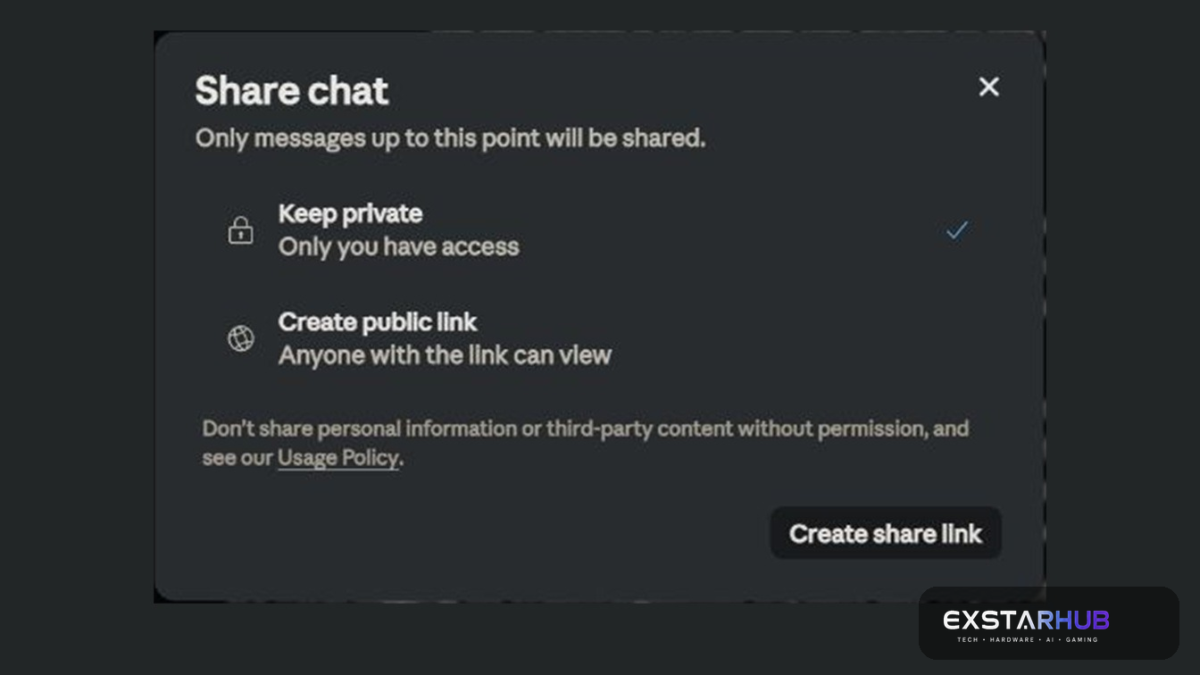
Claude chats are private by default. A shared Claude chat, however, creates a snapshot that anyone with the link can view — and public links can become searchable if they are posted somewhere a search engine can crawl. That distinction is at the centre of new reporting about Claude conversations and Artifacts appearing in Google results.
The issue is not evidence that ordinary private Claude chats were automatically published. Anthropic says shared links are public snapshots, and that a search engine can only index them after a user shares them somewhere the crawler can see. Still, the practical lesson is important: a link intended as a quick handoff can become much more widely visible than expected.
What a Claude shared link contains
Anthropic’s current sharing guidance says that creating a shareable link makes a snapshot of the conversation available to anyone with that link. The snapshot includes messages sent before the chat was shared, along with any Artifacts in that snapshot. Messages added after sharing remain private unless the chat is unshared and then shared again.
There are useful limits. Anthropic says an uploaded file itself is not included in a shared snapshot, and raw data from MCP tool calls remains hidden. But the conversation and Claude’s final responses can still contain sensitive material: copied notes, code, business plans, prompts, personal information or summaries derived from files and tools.
Why Google results are a concern
Axios reported that it could find publicly shared Claude Artifacts in Google results, including documents and planning materials. Anthropic told Axios that it does not provide chat directories or sitemaps to search engines and that share links are not meant to be discoverable unless users share them. The company also said publicly shared material may be archived by third-party services.
In other words, the risk is not that a random person can guess a secure link. The risk is that a public link can travel: it may be pasted into a forum, social post, public document or another surface that a search engine can crawl. Once indexed or archived, removing the original link may not instantly remove every cached or copied reference.
What Claude users should do now
- Open Settings > Privacy in Claude and choose Manage next to Shared chats.
- Review every shared snapshot, including old links you no longer need.
- Use Unshare for anything that should no longer be publicly accessible.
- Assume that a shared snapshot can be read by anyone who receives the link; do not include secrets, credentials, personal records or confidential work material.
- If sensitive content was shared publicly, rotate exposed credentials and follow your organisation’s incident process rather than relying only on link removal.
The safer sharing habit
Before sharing, treat the snapshot as a publishable document. Check the full chat history above the point where you clicked Share, not only the final answer you plan to send. For work conversations, use organisation-managed sharing controls where available and follow your employer’s data-handling policy.
Public sharing can be useful for collaboration. It just needs the same care as posting any other web-accessible link.
Source: TechCrunch