Nvidia May Skip a New Gaming GPU in 2026 as the Memory Crunch Bites
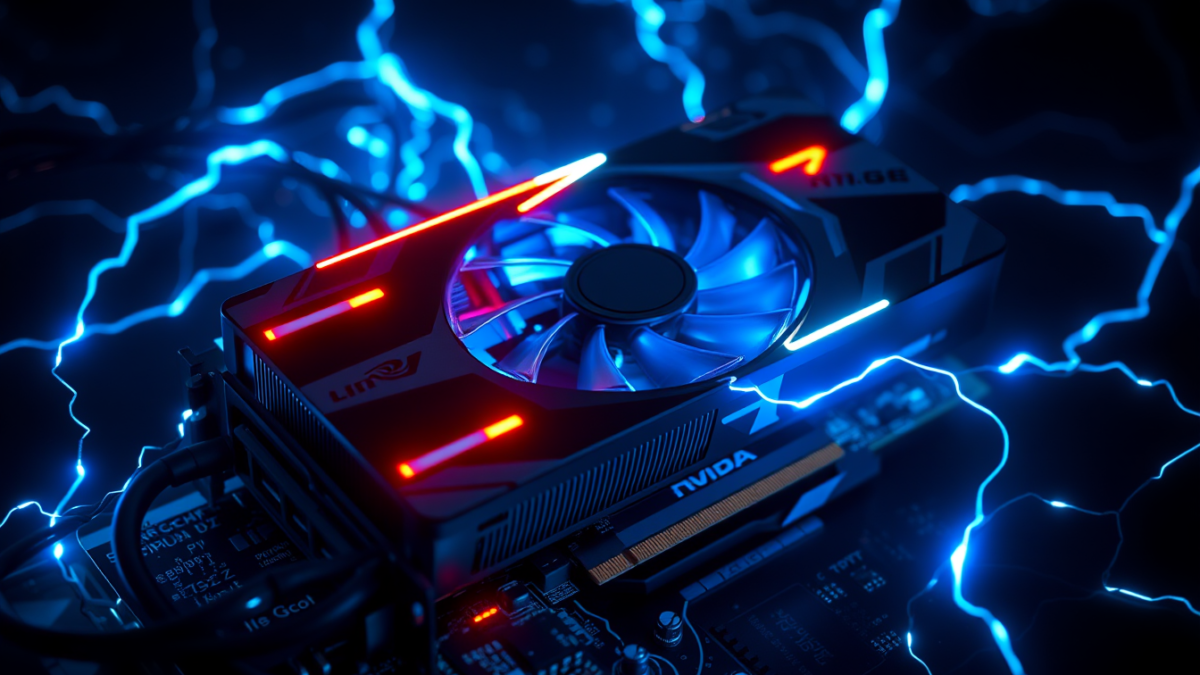
For the first time in roughly three decades, Nvidia is reportedly poised to go an entire year without launching a new gaming graphics card. The reason is not a shortage of engineering ambition but a global squeeze on advanced memory, the very components that modern AI data centres are consuming at a staggering rate.
The chips at the centre of the problem are high-speed memory parts such as GDDR7 and HBM4. They are essential for powerful gaming GPUs, but they are equally critical for the AI accelerators that fill server racks. With demand from data centres exploding, suppliers have been steering their output toward those buyers, leaving consumer graphics cards competing for whatever is left.
The economics are hard to argue with. Data-centre products generally carry far higher margins than consumer cards, so when memory is scarce it makes commercial sense to prioritise the most profitable customers. Reports suggest Nvidia may go further still, with planned mid-cycle refresh models potentially shelved and production of some current cards trimmed to free up supply.
The ripple effects reach well beyond one company. Microsoft recently raised its projected capital spending for the year to around 190 billion dollars, citing surging memory and storage prices driven by AI infrastructure as a meaningful part of the increase. When the giants pay more for components, the cost pressure tends to flow downhill to everyone else.
For PC builders and gamers, the practical outlook is uncomfortable. Tight supply usually means higher prices and longer waits, and a year without fresh high-end options would leave enthusiasts holding on to existing hardware for longer than they might like. Upgrading on a budget becomes harder when both the newest and the older cards are in short supply.
There are some counterweights. Rival chipmakers continue to push their own architectures and upscaling technologies, giving buyers alternatives, and new fabrication plants are slowly coming online that should eventually ease the strain. But building and ramping those facilities takes years, so relief is unlikely to be immediate.
The broader lesson is that the AI boom is now reshaping markets far from the data centre, including the gaming rigs in people’s homes. ExstarHub will keep watching how the memory shortage develops and what it means for the price and availability of the hardware you actually want to buy.