
Crazy Taxi: World Tour’s AI Backlash Highlights Gaming Industry Concerns
Sega’s revival of *Crazy Taxi: World Tour* is facing criticism for its extensive use of generative AI to create roadside scenery. Player and critic reactions have been largely negative, sparking a debate about the ethics and artistic implications of this approach.
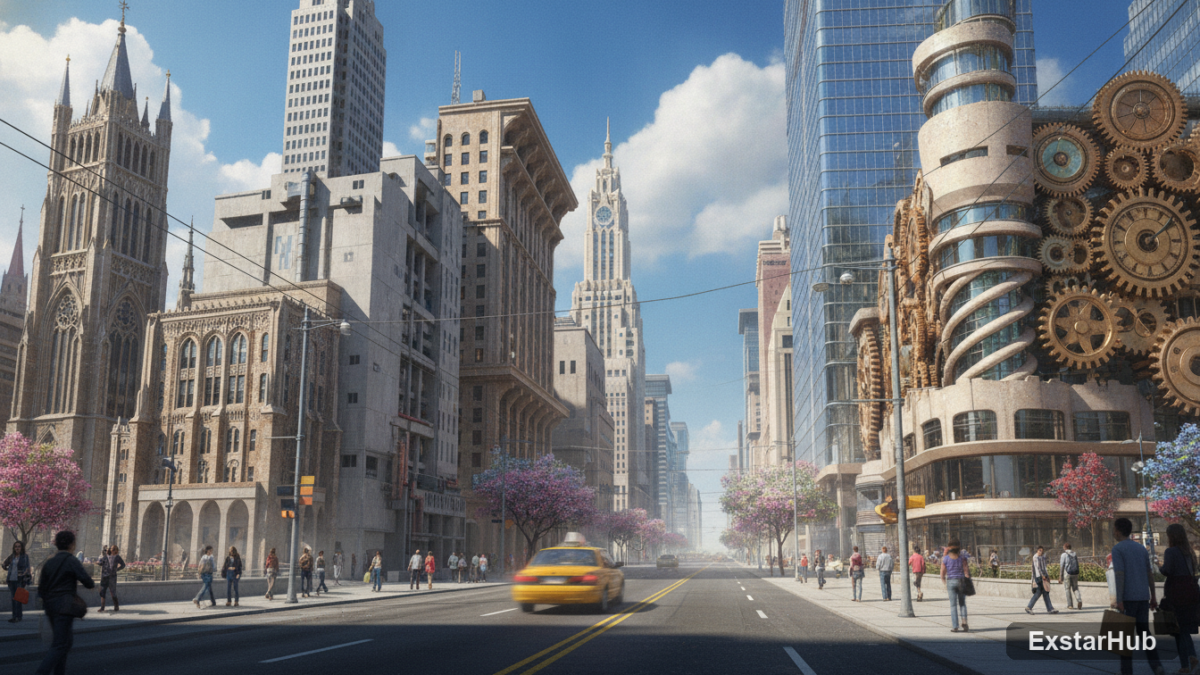
Sega’s latest attempt to revive the classic arcade racing series, *Crazy Taxi: World Tour*, has quickly become entangled in controversy, thanks to its significant reliance on generative AI for creating roadside scenery. While the game aims to recapture the nostalgic charm of the original, players and critics alike are questioning not only the aesthetics but also the underlying ethics and artistic merit of employing AI-generated assets – a development that signals potential shifts in how games are made.
The Rise of AI-Generated Environments
*Crazy Taxi: World Tour* utilizes generative AI tools to populate its environments with buildings, trees, and other details. This represents a considerable departure from the manual asset creation processes used in previous *Crazy Taxi* titles. Sega has openly acknowledged this strategy as part of their effort to modernize the game’s development pipeline, claiming it allows for rapid content creation and expansive world design – though early results have failed to impress many players. The specifics of which AI models are being utilized remain largely undisclosed, but reports suggest a combination of text-to-image generation and procedural placement techniques.
Player and Critic Reactions
Initial reactions have been overwhelmingly negative. Players have expressed disappointment at the repetitive and often bizarre scenery generated by the AI. Common complaints include a lack of artistic consistency – buildings may abruptly change architectural style, or trees appear randomly placed – and a noticeable absence of detail compared to the carefully crafted environments of previous *Crazy Taxi* games. Online forums are filled with examples highlighting these inconsistencies, with many players describing the experience as visually jarring and detracting from the game’s overall appeal. Critics have echoed these concerns, suggesting that an over-reliance on AI can lead to a homogenization of visual style within the gaming industry.
Copyright and Ethical Considerations
Beyond the aesthetic concerns, serious questions surrounding copyright are emerging. Generative AI models are trained on vast datasets of existing images – often scraped from the internet without explicit permission – raising potential legal challenges if the AI inadvertently reproduces copyrighted material. While current AI systems attempt to avoid direct replication, the risk remains that elements derived from protected works could surface in generated content. Furthermore, the use of AI prompts broader ethical debates about authorship and artistic originality; if an AI generates a piece of scenery, who is responsible for its creation? Sega’s decision has also reignited discussions regarding the impact on human artists and the potential devaluation of their skills.
Why it Matters
The *Crazy Taxi: World Tour* situation serves as a critical case study for the gaming industry as generative AI becomes increasingly accessible. It demonstrates that rapid technological advancement doesn’t automatically translate to positive player experiences or ethical practices. While AI can undoubtedly streamline development processes and potentially reduce costs, its application requires careful consideration of artistic quality, copyright law, and the potential impact on human creators – factors that Sega appears to have undervalued in this instance. The backlash highlights the need for transparency regarding AI usage and a proactive approach to addressing legal and ethical concerns before they escalate.
Key takeaways
- *Crazy Taxi: World Tour* employs generative AI extensively to create roadside scenery, marking a significant shift in development practices.
- Player feedback has been largely negative, citing repetitive visuals, inconsistencies, and a lack of artistic detail.
- Copyright concerns arise from the training data used by generative AI models, potentially exposing Sega to legal challenges.
- The controversy underscores broader ethical considerations surrounding AI’s role in game development, particularly concerning authorship and artist compensation.
- Sega’s approach signals a potential trend towards increased AI integration within gaming experiences, but also demonstrates the importance of careful implementation.
FAQ
What exactly does “generative AI” mean in this context?
Generative AI refers to algorithms that can create new content – images, text, music – based on patterns learned from existing data. In *Crazy Taxi: World Tour*, it’s primarily used to generate roadside scenery and other environmental details.
Is Sega the first company using generative AI in games?
No, but *Crazy Taxi: World Tour* is one of the most visible and high-profile examples so far. Other developers are experimenting with AI for various tasks, from character animation to level design – though often with less overt reliance on fully generated assets.
The initial reception to *Crazy Taxi: World Tour* demonstrates that embracing generative AI in game development isn’t simply a matter of adopting a new tool; it involves navigating complex artistic and ethical considerations, alongside potential legal ramifications.
Source: Instant Gaming News