Google Rolls Back Google Earth AI Image Tool After Misuse Concerns
Google has rolled back a new Google Earth image-generation feature after AI-made scenes circulated in ways that raised policy and misinformation concerns. The company says it is working on stronger guardrails.
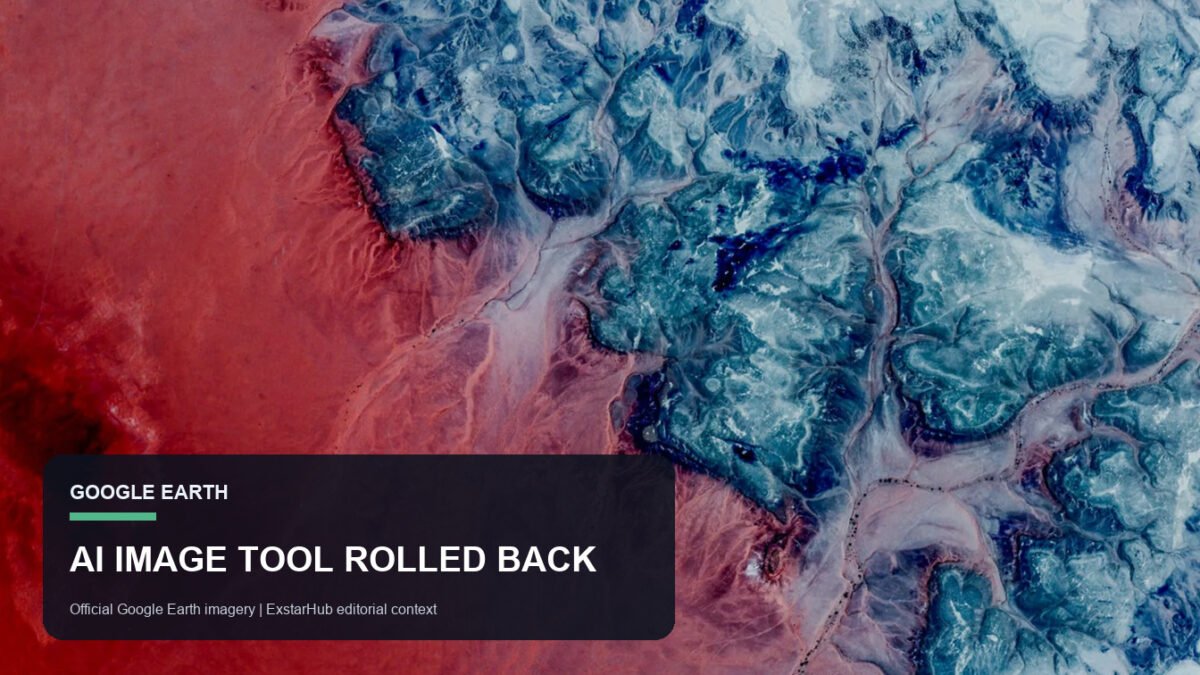
Google has rolled back a newly introduced image-generation feature in Google Earth after examples of AI-made scenes circulated in ways that raised policy and misinformation concerns. The company says it is working on stronger safeguards before bringing the feature back.
The reversal matters because Google Earth is widely used to explore satellite and aerial imagery. Adding generative edits to that context can be useful for visualisation, but it also changes how easily a convincing-looking image can be separated from a real view of a place.
What Google rolled back
The feature let people use a text prompt to create or alter imagery inside Google Earth. Google said the generated images did not appear in the main Google Earth experience for other users and carried its SynthID AI watermark.
Even with those measures, screenshots of generated scenes could be shared without their original interface or context. Reporting from Reuters and other outlets documented examples that appeared to show fabricated damage, unrest or other events at real locations.
Google’s response was to roll the feature back while it develops stronger guardrails. The company has not said when, or in what form, image generation may return to Google Earth.
Why the setting is important
Google Earth is not just a creative canvas. Journalists, researchers, emergency responders, educators and members of the public use geographic imagery to understand places and events. That creates a higher bar for any tool that can make a scene look plausibly tied to a real location.
The issue is not that every generated image will be mistaken for evidence. It is that realistic images can travel faster than the labels, source information and product context that explain what they are. A watermark can help with later verification, but it does not prevent a cropped screenshot from being persuasive at first glance.
What the rollback does—and does not—mean
This is a product rollback, not a finding that Google Earth’s underlying satellite imagery was altered. Google said the generated material was separate from the main Earth experience. The concern is about a creation layer that sat alongside a product people associate with real-world geographic reference material.
That distinction is important. Readers should not assume that a normal Google Earth view has become synthetic simply because Google tested an image-generation feature. At the same time, the episode shows why platforms need clear, durable signals when AI-made visuals are connected to tools people use to inspect the real world.
Why it matters
AI-image labels and provenance tools are becoming standard, but this case is a reminder that the surrounding product context matters as much as the label itself. A feature may be technically marked as AI-generated and still create confusion if the result is easy to lift out of context.
Google’s decision to pause and redesign the feature is a practical test of how generative AI should be handled in products built around public trust. The next version will need guardrails that work not only inside Google Earth, but also when images leave it.
Sources
- Reuters: Alphabet rolls back AI image generation in Google Earth over policy violations
- The Atlantic: Google’s rollout and rollback of the Google Earth image tool
Source: Reuters