The Death of a Brand: Why OxygenOS and Realme UI Are Facing Extinction
Reports suggest OnePlus and Realme software will be absorbed into Oppo's ColorOS as part of an aggressive brand restructuring.
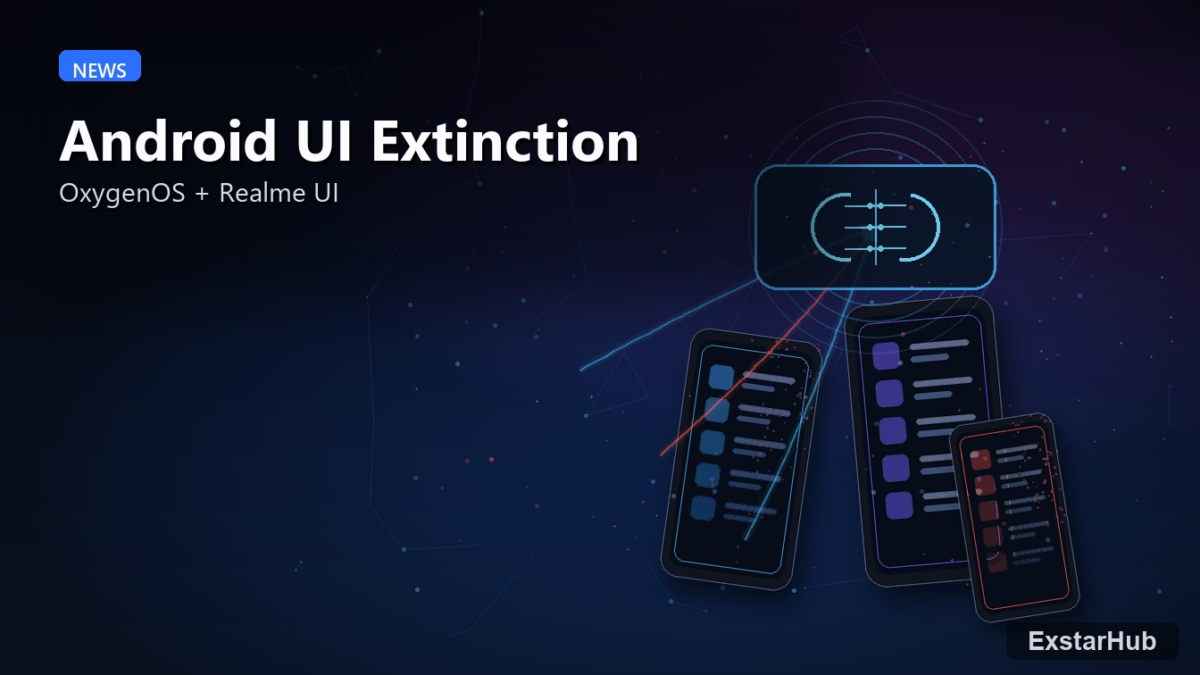
The era of unique, community-driven software for the ‘Flagship Killer’ is reaching a definitive conclusion. New reports indicate that OxygenOS and Realme UI are set to be discontinued in the coming months, marking the end of independent branding for two of China’s most prominent smartphone identities.
The Architecture of an Absorption
For many years, OxygenOS functioned as a distinct entity, though it has lived under the shadow of Oppo’s ColorOS for a significant amount of time. While early OnePlus devices were defined by a clean aesthetic that appealed to enthusiasts, the software eventually became a fork of the build found on Oppo hardware. This move toward resource pooling was framed as a way to improve stability and features, but it effectively laid the groundwork for the current situation.
Recent reports from Indian outlet Smartprix, citing an Oppo insider, point to an “aggressive restructuring” strategy. Under this plan, OnePlus and Realme will be fully integrated into the broader Oppo brand. This isn’t just a minor update; it is a wholesale migration where all existing smartphones across these lines will transition to ColorOS. The software identity that once defined the OnePlus experience is being systematically phased out in favor of a unified corporate standard.
Signs of a Slow Corporate Demise
The potential discontinuation of OxygenOS and Realme UI doesn’t exist in a vacuum. It follows a series of logistical indicators that suggest OnePlus is moving toward the background of Oppo’s portfolio. We have seen the closure of global offices, the promotion of Oppo products on OnePlus-branded online storefronts, and a previous merger between Realme and OnePlus as recently as April.
For the hardware itself, the situation appears even more stark in certain markets. For example, products are currently listed as “Out of stock” on the official UK storefront. While inventory fluctuations are common, the combination of these logistical hurdles with the news of software consolidation paints a picture of a brand being retired or absorbed rather than expanded.
Why it matters
This shift represents a fundamental change in how Chinese smartphone giants manage their market share. By folding OnePlus and Realme into ColorOS, Oppo can streamline its R&D costs, unify its software ecosystem, and simplify its supply chain. For the consumer, however, this means the end of brand-specific optimization. We are moving away from a landscape where you could choose a device based on a specific software philosophy and toward a homogenized experience where the hardware brand becomes secondary to the parent company’s OS.
The real implication is a loss of identity for OnePlus. The “Never Settle” mantra was built on being the alternative to big-brand bloatware. If OxygenOS disappears, that distinction evaporates, turning OnePlus into just another hardware SKU under the Oppo umbrella.
Key takeaways
- OxygenOS and Realme UI are reportedly scheduled for discontinuation in the coming months.
- The move is part of an “aggressive restructuring” to fully integrate both brands into Oppo.
- Existing users on these platforms will likely be migrated to ColorOS across all models.
- Logistical signs, including office closures and stock issues, suggest a broader brand consolidation.
FAQ
Will my current OnePlus phone stop receiving updates?
The reports do not specify an end date for security patches, but the migration to ColorOS suggests that future major feature updates will likely align with Oppo’s software roadmap rather than a unique OxygenOS schedule.
Is Realme being sold separately from this deal?
Based on current insider reports, Realme is being merged into the broader Oppo brand integration alongside OnePlus, moving toward a unified software and branding strategy.
The transition to ColorOS marks the end of an era for independent Android skins in the Chinese market. While it might offer more stability through shared resources, it confirms that the unique identity of OxygenOS has finally been eclipsed by corporate consolidation.
Source: 9to5Google