
Iran Says Strait of Hormuz is Closed as Geopolitical Risks Spike
Iran has declared the Strait of Hormuz closed following an attack on a Cyprus-flagged vessel, threatening global energy markets and stalling fragile ceasefire talks.
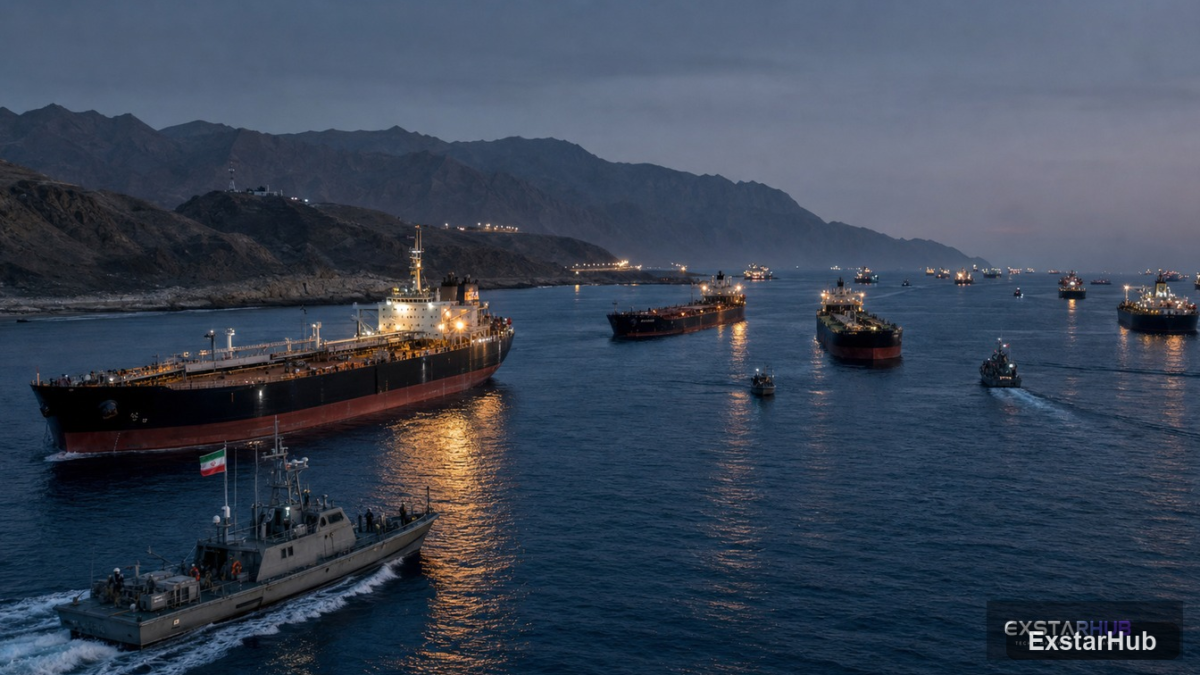
The declaration that Iran says Strait of Hormuz is closed serves as a stark reminder that maritime security in one of the world’s most vital chokepoints remains hostage to regional volatility. By citing an attack on a vessel using an ‘unauthorized route,’ Tehran is effectively signaling that the era of predictable transit through the waterway is over, placing the global energy supply and current ceasefire negotiations in immediate jeopardy.
Weaponizing the Chokepoint: The Incident
The latest escalation centers on a Cyprus-flagged container ship that sustained significant engineroom damage after being struck by Iranian warning shots. While Iran frames the action as a necessary response to a ‘violating ship,’ U.S. Central Command has pointed to the incident as proof of continued aggression against civilian mariners. This kinetic interaction underscores Tehran’s shift toward asserting total control over the strait, moving away from international norms and toward a policy of active denial.
This move comes on the heels of complex diplomatic maneuvering between Iran and Oman. Despite Foreign Minister Abbas Araghchi’s public attempts to discuss ‘appropriate mechanisms’ for safe passage, the physical reality on the water suggests that Tehran is prioritizing sovereignty—and the ability to levy charges on transit vessels—over the stability sought by international maritime bodies.
The Fragile State of the Ceasefire
For Washington and its allies, the status of the strait is a non-negotiable prerequisite for any lasting peace. U.S. officials have been transparent about the fact that negotiations to cement last month’s war-ending deal cannot proceed while the waterway remains insecure. Iran’s refusal to offer a public guarantee of safe passage creates a paradox: it wants the benefits of a ceasefire while maintaining the leverage of maritime dominance.
Compounding this tension is the emergence of Supreme Leader Mojtaba Khamenei, who has already signaled a hardline stance in his first statement since his father’s death. By vowing to avenge the opening strikes of the war and threatening retaliation against U.S. missile threats from Donald Trump, the new leadership appears less inclined toward the diplomatic concessions required to stabilize trade routes.
Energy Markets and Tactical Retaliation
The economic implications are heavy. Before the conflict began, roughly one-fifth of all traded oil and natural gas moved through this specific corridor. While global prices have retreated from wartime peaks of $120 a barrel, any sustained closure or persistent targeting of commercial ships could reignite price spikes and disrupt supply chains across Europe and Asia.
The cycle of violence is currently self-perpetuating. U.S. forces have initiated a third round of strikes against Iran to degrade its ability to attack mariners, while reports suggest additional attacks on Iranian soil may be coming from Gulf Arab states seeking to deter Tehran. This multi-front friction makes it increasingly difficult for any single nation to de-escalate the situation without significant domestic and regional pressure.
Why It Matters
The real significance here isn’t just a single ship getting hit; it is the breakdown of the ‘international waterway’ status that has governed global trade for decades. If Iran successfully establishes a precedent where it can unilaterally close the strait or impose fees at will, it fundamentally alters the cost of global commerce. Furthermore, the fact that U.S. officials suspect ‘rogue factions’ of hard-liners might be sabotaging the ceasefire suggests that even if Tehran’s central leadership wants peace, their internal power structures may still view maritime aggression as a necessary tool for survival.
Key Takeaways
- Iran officially declared the Strait of Hormuz closed following an attack on a Cyprus-flagged container ship.
- The incident creates a major roadblock for U.S. negotiations intended to solidify the interim ceasefire agreement.
- New Iranian leadership under Mojtaba Khamenei is signaling a retaliatory and uncompromising stance toward U.S. actions.
- Global energy markets remain vulnerable, as 20% of global oil and gas trade historically passed through this corridor.
- U.S. Central Command has begun a third round of strikes specifically aimed at degrading Iran’s maritime strike capabilities.
FAQ
Why did Iran say the Strait of Hormuz is closed?
Iran issued the statement after striking a Cyprus-flagged vessel with warning shots, claiming the ship was using an ‘unauthorized route.’ They intend to keep the strait closed until further notice.
How does this affect global oil prices?
While prices have dropped from wartime highs of $120 a barrel, the Strait is a primary artery for 20% of traded oil and gas. Any prolonged closure could lead to significant market volatility.
What is the U.S. response to these maritime threats?
U.S. Central Command has launched a third round of strikes against Iran to degrade its ability to target civilian mariners and commercial ships freely transiting the strait.
The situation in the Strait of Hormuz has moved from a localized military friction point to a systemic risk for global trade. Until a mechanism is found that satisfies Iran’s demands for control without compromising international maritime freedom, the waterway will remain a high-risk zone for every commercial vessel passing through it.
Source: AP News