NVIDIA SK Group AI Initiative Targets $500B Infrastructure Plan
NVIDIA and SK Group have outlined a $500-billion-plus AI initiative spanning a planned 2 GW AI factory and a long-term next-generation memory partnership.
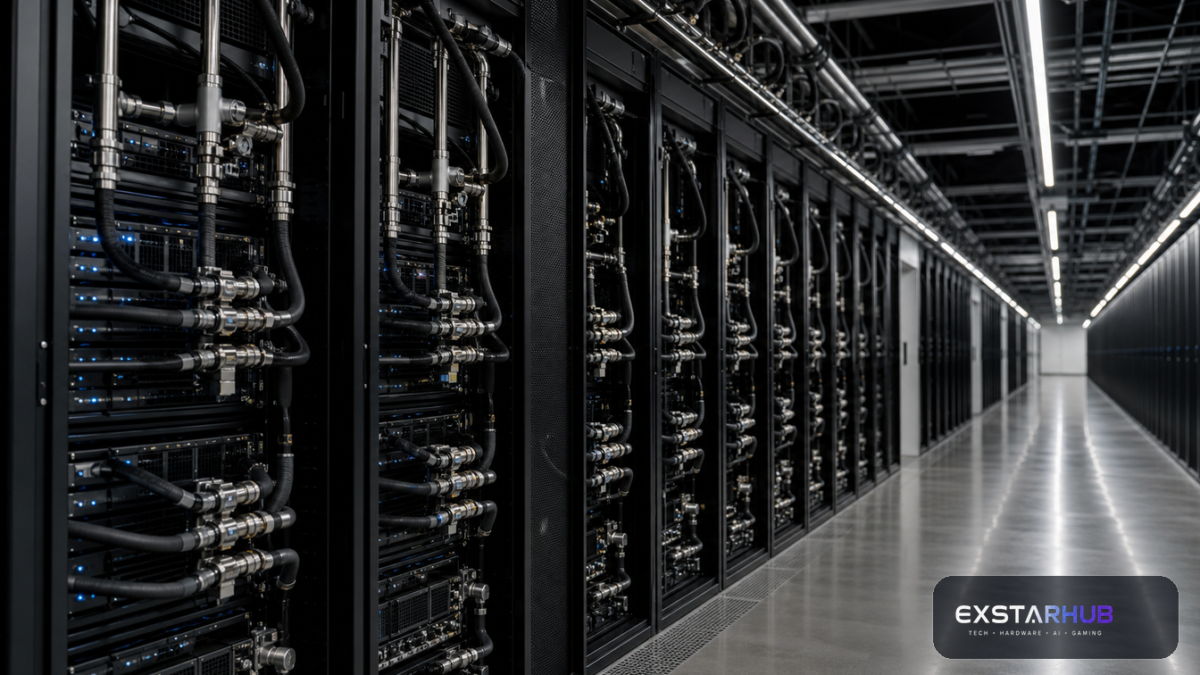
The NVIDIA SK Group AI initiative is a $500-billion-plus plan spanning AI factories and next-generation memory. NVIDIA says the companies signed letters of intent covering a proposed SK Telecom AI factory and a longer-term partnership with SK hynix on high-bandwidth memory.
The scale is eye-catching, but the wording matters. These are plans formalized through letters of intent, not a completed $500 billion build. The announcement is most useful as a signal of where the companies expect the next wave of AI infrastructure spending to concentrate: power, data-center capacity and memory supply.
A planned 2 GW AI factory
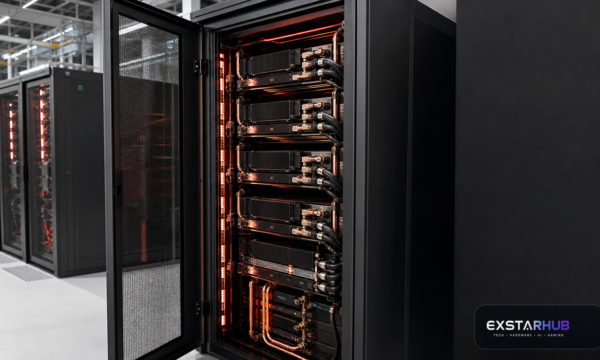
NVIDIA says SK Telecom plans to build a 2-gigawatt AI factory using its Vera Rubin accelerated-computing platform and SK hynix HBM4 memory. The first facility is planned to come online in 2027.
Two gigawatts is a data-center-scale figure, not a measure of GPU count or immediate service capacity. Construction, grid access, equipment delivery and customer demand will determine how much of the stated ambition becomes operating infrastructure and when.
Memory supply is central to the deal
The other half of the initiative is a long-term AI memory partnership between NVIDIA and SK hynix. NVIDIA says the companies plan to secure and codevelop next-generation memory, including HBM, for training, agentic AI and physical AI workloads.
That focus reflects a practical constraint in modern AI systems. Accelerators need enormous bandwidth and memory capacity to train and serve large models efficiently, so HBM supply and integration can be as strategically important as the chips themselves.
Why Korea matters to the AI buildout
The announcement connects SK Telecom’s proposed cloud buildout with SK hynix’s role in the memory supply chain. It also places South Korea more visibly in the infrastructure competition that has often been framed around U.S. cloud providers and chip designers.
For readers comparing architecture claims with real measurements, ExstarHub’s AI Benchmarks offers a separate performance reference. Capacity announcements can set the direction of travel, but deployment results and delivered efficiency are what ultimately matter.
What to watch next
The next milestones are concrete ones: final agreements, site and power details, equipment orders and progress toward the planned 2027 opening. Until then, the NVIDIA SK Group AI initiative should be read as an ambitious roadmap with a clear industrial logic, not as infrastructure already in service.
Source: https://cdn.mos.cms.futurecdn.net/uMZ5kNphxA2Ut6whdLaSQV.png