
Vivo X300 Ultra Review: Is It a Camera Replacement?
The Vivo X300 Ultra aims to redefine smartphone photography, boasting impressive hardware and a collaboration with Zeiss. But does it truly deliver on its promise of rivaling dedicated camera equipment?
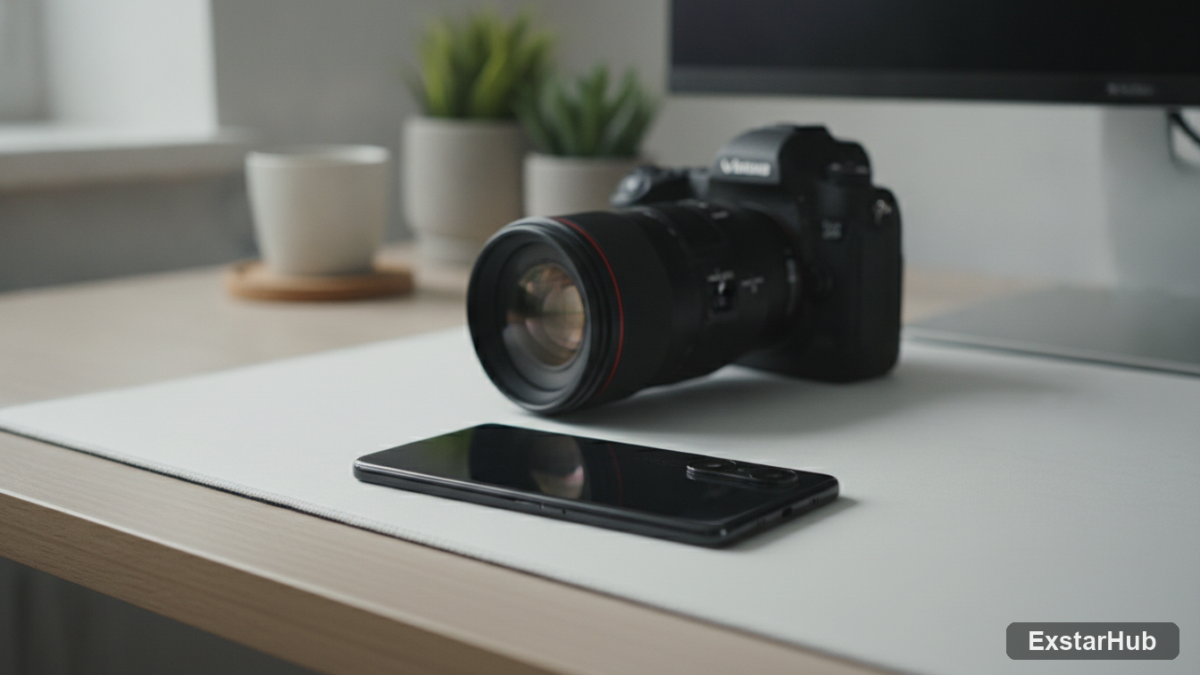
Vivo’s latest flagship, the X300 Ultra, enters the market with an ambitious goal: to be the ultimate camera phone, potentially even offering a viable alternative to traditional photography setups. This bold claim is backed by significant hardware and a notable partnership with Zeiss, generating considerable excitement – but does the reality live up to the considerable hype?
Impressive Hardware and Features Powering Mobile Photography
The X300 Ultra’s internal specifications are certainly designed to impress. At its core lies a powerful MediaTek Dimensity 9200+ chipset, ensuring smooth performance even when handling demanding tasks like 8K video recording. It’s paired with ample RAM and storage for effortless multitasking and content creation. The camera system is the centerpiece of this device; it includes a 50MP main sensor equipped with optical image stabilization (OIS), an ultrawide lens capable of macro photography, and a periscope telephoto lens offering substantial optical zoom capabilities. This combination allows for versatility in shooting scenarios, from expansive landscapes to detailed close-ups.
Zeiss Partnership: More Than Just a Logo
Vivo’s collaboration with Zeiss extends beyond simply slapping a logo on the device. Zeiss has actively contributed its expertise to the camera’s lens design and image tuning algorithms. This partnership isn’t just about marketing; it’s intended to translate into tangible improvements in image quality and character. The result is what Vivo calls ‘creative bokeh,’ an effect designed to mimic the pleasing background blur often associated with high-end lenses, adding a distinct aesthetic flavor that differentiates the X300 Ultra from its competitors. However, discerning users will evaluate whether this unique look justifies the device’s premium price tag.
Image Quality: Brilliant in Light, Less So in Shadow
When conditions are favorable – ample light and a steady hand – the X300 Ultra produces exceptional images. Colors are accurate, detail is sharp, and dynamic range is generally well-managed. The zoom capabilities truly shine here, allowing users to capture distant subjects with remarkable clarity. However, low-light performance isn’t consistently impressive. Noise can become noticeable when pushing the ISO limits, and occasional issues with dynamic range emerge in challenging lighting conditions. Furthermore, Vivo’s image processing leans towards a brighter look overall, which might not align with everyone’s preferences; some users may find it slightly overprocessed or lacking in natural contrast.
Why It Matters: Blurring the Lines Between Smartphones and Cameras
The Vivo X300 Ultra exemplifies the ongoing trend of smartphone manufacturers striving to merge mobile photography and dedicated camera systems. This isn’t just about incremental improvements; it’s a fundamental shift in how consumers capture memories. The increasing sophistication of smartphone cameras caters to users who value convenience and portability – they want high-quality imaging without the burden of carrying extra equipment. While the X300 Ultra doesn’t entirely replace the capabilities of a professional photographer’s kit, its performance demonstrates the astonishing advancements in mobile technology and establishes new benchmarks for future devices. It also subtly influences user expectations, raising the bar for what consumers deem acceptable image quality from their smartphones.
Key Takeaways
- The Vivo X300 Ultra showcases impressive camera hardware and features, prominently including a partnership with Zeiss to enhance lens design and tuning.
- Image quality is generally excellent in well-lit conditions, particularly highlighting the powerful zoom capabilities offered by the periscope telephoto lens.
- Low-light performance can be inconsistent at times, exhibiting noise or dynamic range limitations when pushed beyond optimal settings.
- The device’s price point reflects its premium hardware and features; however, it may represent a significant investment for some consumers.
- It represents a substantial advancement in smartphone photography capabilities, bringing high-quality imaging closer to the functionality of dedicated camera equipment – though not entirely replacing it.
FAQ
Is the Zeiss partnership just marketing?
While branding undoubtedly plays a role, the collaboration with Zeiss extends to tangible contributions in lens design and image tuning algorithms, resulting in features like the ‘creative bokeh’ effect.
What are the alternatives to the Vivo X300 Ultra?
Several competitors offer compelling camera experiences, including Samsung’s Galaxy S series, Apple’s iPhone Pro models, and other high-end Android devices. Each presents a different balance of image processing styles, features, and overall value.
Ultimately, the Vivo X300 Ultra is a capable smartphone with an undeniably impressive camera system. While it might not replace a dedicated camera for professional or enthusiast photographers, it delivers exceptional results for most users and firmly establishes its place as a leading contender in the mobile photography landscape.
Source: The Times of India