
Microsoft Acknowledges Gen Z’s AI Concerns – And Why It Matters
Recent college graduations saw students booing speakers promoting AI, prompting Microsoft President Brad Smith to acknowledge their concerns and frame the technology's impact as a “wake-up call” for the industry. This shift in messaging highlights growing anxieties about automation’s effects on entry-level jobs.
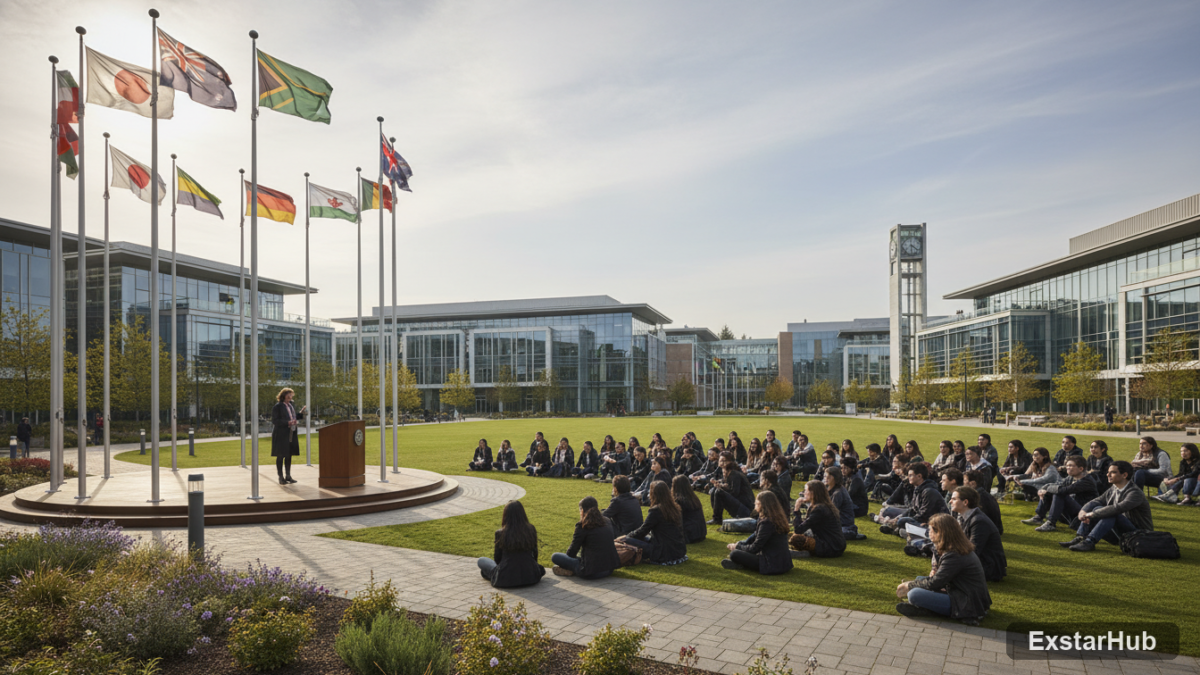
Graduation ceremonies this year took an unexpected turn as students openly rejected enthusiastic pronouncements about AI’s transformative power, leading Microsoft President Brad Smith to characterize the backlash as a “wake-up call” for the technology industry. The reaction highlights growing anxieties among young graduates facing a rapidly changing job market.
The Reality of AI’s Impact on Entry-Level Jobs
Brad Smith’s assessment directly validated concerns voiced by college graduates, specifically regarding the potential displacement of entry-level positions due to automation. Unlike typical tech industry messaging that emphasizes progress and adaptation, Smith acknowledged legitimate worries about the impact of AI on roles often held by recent graduates. He noted a “brutal double hit” – increased competition for fewer jobs alongside machines performing work previously done by humans. This situation isn’t merely hypothetical; current AI tools are already capable of automating many tasks traditionally handled by entry-level employees, impacting job availability and putting pressure on those seeking their first professional roles.
Comparing Perspectives: Caution vs. Hyperbole
Smith’s measured perspective stands in stark contrast to other tech executives who have made more dramatic predictions about AI’s potential to eliminate entire job categories or fully automate computer work within a short timeframe. Some forecasts suggest that large portions of entry-level, particularly white-collar roles, could be automated, while others predict full automation of routine computer tasks within months. By comparison, Smith frames AI as a “general purpose technology” similar to electricity—a tool that reshapes existing workflows rather than eradicating them entirely. His framework focuses on the idea that jobs are composed of various tasks, some of which can be automated or augmented by AI while uniquely human skills remain protected and valuable.
Beyond Acknowledgement: The Critique of Corporate Messaging
While Smith’s response has been welcomed for its honesty, critics point out the lack of concrete commitments to job protections or retraining programs. His statements have been seen by some as diplomatic rhetoric intended to ease anxieties without offering tangible solutions. Furthermore, the timing of this messaging shift – emphasizing “productivity gains” over “job losses” – coincides with AI companies preparing for public market activity and seeking investor confidence. This has raised questions about whether the revised narrative is driven more by financial considerations than genuine concern for affected workers.
Why it Matters
This isn’t simply about graduates disliking technology; it represents a demand for transparency regarding who benefits from automation. The backlash underscores a critical need to broaden the conversation beyond Silicon Valley, focusing on economic equity and ensuring that advancements in AI don’t exacerbate existing inequalities. If the gains from automation are primarily concentrated amongst a select few, while widespread job displacement occurs, societal unrest is likely to follow. Microsoft’s response suggests they recognize this challenge, but whether these acknowledgements translate into meaningful action – such as investment in retraining initiatives or advocating for policy changes – remains crucial.
Key Takeaways
- Recent college graduations saw students booing AI cheerleaders, prompting a rare acknowledgement from a tech executive about the potential for job displacement.
- Microsoft President Brad Smith framed AI as a “general purpose technology” that reshapes work rather than eliminates it entirely.
- Critics argue that Microsoft’s response lacks concrete commitments to mitigate the negative impacts of automation on employment.
- The timing of this messaging shift coincides with AI companies preparing for public market activity, raising questions about its motivations.
- Students are demanding a broader conversation about who benefits from technological advancements and how economic gains can be distributed more equitably.
FAQ
Why did students boo at their graduations?
Students expressed concerns that AI might eliminate entry-level jobs they’re competing for, rejecting overly optimistic predictions about the technology’s impact on their future careers.
What is Microsoft’s response to these concerns?
Microsoft President Brad Smith acknowledged the validity of graduates’ fears and positioned AI as a transformative tool rather than a job destroyer. However, he offered limited commitments regarding specific job protections or retraining programs.
The recent student protests serve as a critical reminder that technological progress must be accompanied by thoughtful consideration of its social and economic consequences.
Source: Gadget Review