
iPad Air M3 Review: Six Months Later
The iPad Air M3 arrived six months ago, promising a blend of power and affordability. But has it held up over time, or are there still reasons to consider alternatives?
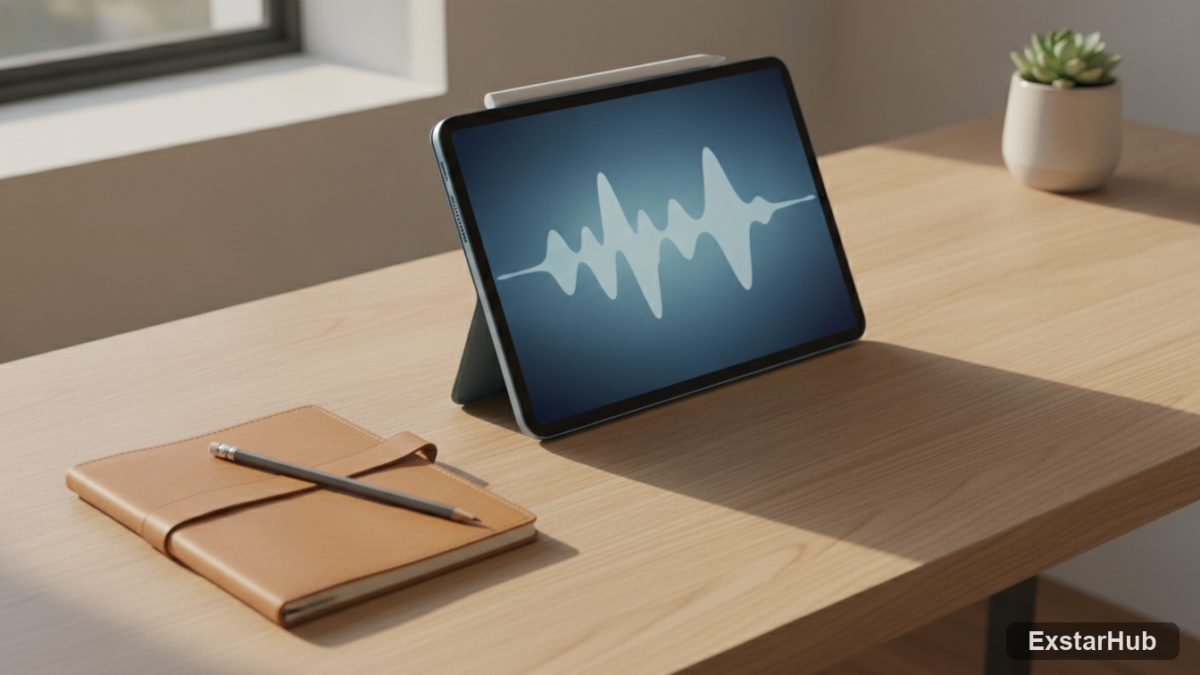
Six months ago, Apple launched the iPad Air M3, aiming to bridge the gap between its budget-friendly tablets and the high-powered iPad Pro line. The update brought a significant processor bump and a refreshed design, but the question remains: has it aged well, or are there reasons to hold off?
Performance Gains – Are They Noticeable?
The M3 chip is undoubtedly the headline feature, marking a substantial leap over the previous generation’s M1. While not as potent as the iPad Pro’s M4, the performance increase is readily apparent in everyday usage; browsing, email, and video streaming all feel considerably snappier. The real benefits shine through with more demanding applications. Photo editing in Lightroom sees reduced render times, while graphic design work in Procreate becomes noticeably smoother and more responsive. This enhanced processing power also contributes to improved multitasking capabilities – juggling multiple apps is less of a strain than on older models. Even tasks like exporting larger video files benefit from the increased silicon horsepower.
Design Refinements & Display Quality
The design updates, while subtle, contribute significantly to the overall user experience. The thinner bezels provide a more modern aesthetic and give the impression of a slightly larger screen within a similar footprint. Coupled with a slight reduction in weight, the iPad Air M3 feels remarkably comfortable to hold for extended periods – ideal for reading or creative work on the go. The display itself retains its excellent qualities: colours remain vibrant and accurate, making it suitable for creative professionals who require colour fidelity. The brightness levels are more than adequate for most indoor environments, though direct sunlight can still pose a visibility challenge. While the absence of ProMotion remains a point of differentiation from the iPad Pro line, the standard 60Hz refresh rate is perfectly acceptable for the vast majority of users – particularly given the price difference.
Target Audience: Who Should Consider It?
The iPad Air M3 clearly targets a broad demographic. Students needing a reliable device for note-taking and research will find its portability and performance ideal. Casual users who primarily consume media or browse the web will appreciate the improved speed and responsiveness. Creative professionals, especially those working with photography, graphic design, or music production, benefit from the increased processing power without incurring the premium cost of an iPad Pro. It’s a compelling upgrade path for owners of older iPads and represents a fantastic entry point into the Apple ecosystem for new users. However, those routinely engaged in intensive workflows – such as 4K video editing with complex timelines or professional-grade 3D modelling – might still find the extra RAM and advanced display technology of an iPad Pro more beneficial.
Why it Matters
The introduction of the M3 chip into the iPad Air line signifies a strategic shift for Apple. By offering powerful M-series processing capabilities at a more accessible price point, they’re broadening the appeal of iPads beyond the traditional enthusiast market. This move positions the Air as a key device in attracting new customers and reinforcing Apple’s dominance within the tablet landscape. It demonstrates that substantial performance gains don’t necessarily demand top-tier pricing, establishing an interesting precedent for future iPad models – further blurring the lines between “Air” and “Pro” capabilities and suggesting potential expansion of M-series chips across the iPad range.
Key Takeaways
- The M3 chip delivers a significant performance boost compared to previous generations, notably improving responsiveness in demanding applications.
- Design refinements – thinner bezels and reduced weight – enhance portability and user comfort.
- It’s an excellent choice for students, casual users, and creative professionals seeking power without the premium price tag of a Pro model.
- The lack of ProMotion is a minor compromise that most users won’t find detrimental to their experience.
- Its improved performance makes it a strong competitor even against older iPad Pro models, offering excellent value for money.
FAQ
Is the M3 iPad Air worth the upgrade?
Absolutely. If you’re currently using an older iPad with a less powerful chip – particularly those running A-series chips – the performance difference is genuinely transformative.
Does the iPad Air M3 have ProMotion?
No, the iPad Air M3 does not incorporate Apple’s ProMotion technology for adaptive refresh rates. This feature remains exclusive to the higher-end iPad Pro models.
Conclusion
Six months in, the iPad Air M3 continues to impress as a well-rounded tablet. It strikes an admirable balance between performance, portability, and price, making it a compelling choice for a wide variety of users – from students to creative professionals. While it isn’t perfect, its strengths far outweigh any minor limitations.
Source: Mshale