
Intel’s Nova Lake Move Reclaims AVX-512 for Hybrid CPUs
Recent Linux kernel patches suggest Intel is bringing native 512-bit execution back to both P-cores and E-cores in the Nova Lake lineup, resolving a major hybrid architecture bottleneck.
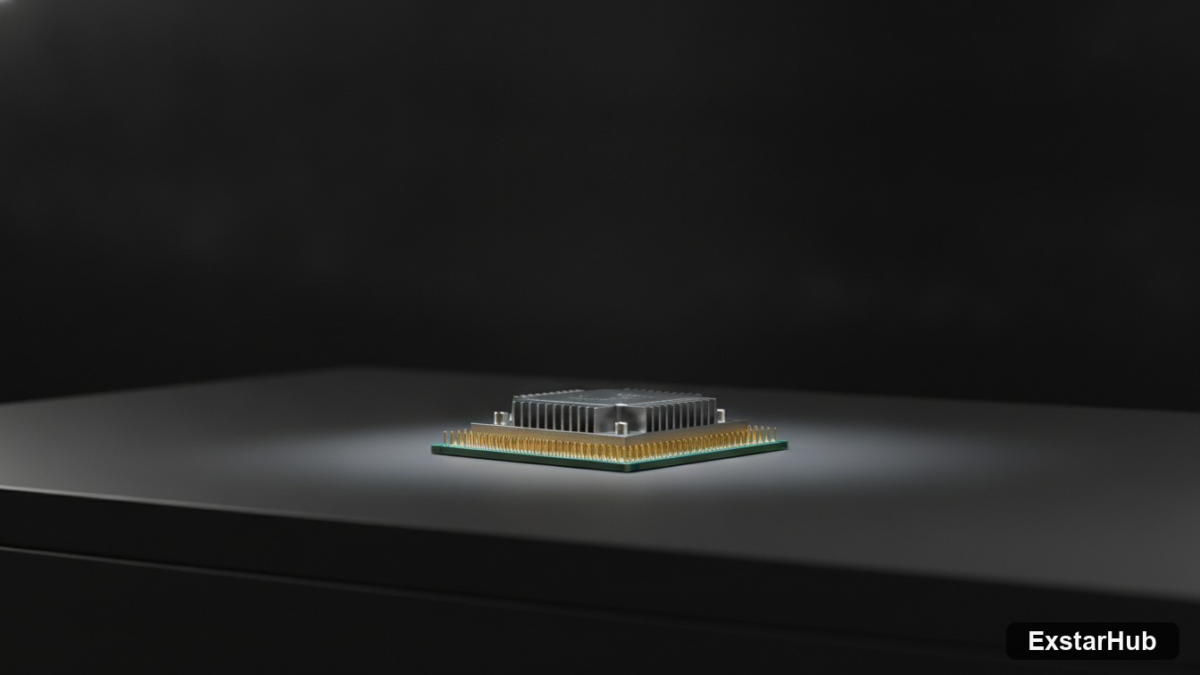
The era of sacrificing wide vector instructions for hybrid efficiency might be coming to an end, as new evidence suggests that AVX-512 support is returning to Intel‘s client lineup with the Nova Lake architecture. For years, the transition to Alder Lake created a bottleneck where E-cores lacked the 512-bit width of P-cores, leading to software crashes or forced performance downgrades when threads migrated between core types. By enabling native 512-bit execution across both core types, Intel is moving toward a unified compute model that treats high-performance SIMD tasks as first-class citizens regardless of which core handles them.
Breaking the Hybrid Core Bottleneck
When Intel moved to the hybrid architecture we see today, AVX-512 was essentially dropped from consumer CPUs because the E-cores simply couldn’t handle the wide registers. Since the 12th Gen, this has been a point of contention for power users and engineers who rely on heavy lifting like video encoding or complex simulations. The latest Linux kernel patches indicate that Nova Lake will finally bridge this gap by providing native 512-bit execution on both P-cores and E-cores.
This is a significant pivot from the early AVX10 roadmaps where it was expected that only P-cores would maintain full width while E-cores were capped at 256-bit. Under those older plans, if a scheduler moved a 512-bit task to an E-core, the application would crash instantly. The new reports suggest Intel is skipping the ‘slowdown’ middle ground and opting for full hardware parity in width, ensuring that threads can move between cores without breaking software logic or suffering severe performance penalties.
The Evolution of AVX10 and Instruction Sets
To understand where Nova Lake is headed, we have to look at the underlying goals of AVX10. Intel has long championed these SMID extensions, but they hit a wall during the hybrid era. The goal was always to uncouple software improvements from physical register width. This means that even on 256-bit hardware, users can still benefit from modern instruction features such as:
- Advanced masking capabilities
- Embedded broadcast for rounding math operations
- Doubled register count (increasing from 16 to 32)
By implementing these on both core types, Intel ensures that the software stack remains consistent. However, Nova Lake appears to be going a step further by providing the actual 512-bit physical pipeline for everyone, rather than just the high-level features.
Competitive Context: Intel vs. AMD
This move puts Intel in a much stronger position against AMD’s Zen architecture. Currently, AMD’s Zen 5 processors feature full 512-bit wide registers. In contrast, previous Zen 4 chips had to split 512-bit tasks across two 256-bit units over two clock cycles. While that approach kept execution stable, it wasn’t as efficient as native single-cycle width.
If Nova Lake delivers on these reports, Intel will be offering a hardware solution that matches the raw throughput of Zen 5 while maintaining its hybrid scheduling flexibility. By eliminating the need for E-cores to “step down” to process data more slowly, Intel is removing a technical hurdle that has plagued high-performance computing in the consumer space since Alder Lake.
Why It Matters
This isn’t just about a spec sheet; it’s about the viability of modern local compute. As AI workloads, high-resolution video encoding, and scientific simulations become more common on consumer hardware, 512-bit instructions are no longer niche requirements—they are performance multipliers. By bringing AVX-512 back to E-cores, Intel is removing a massive headache for developers who previously had to write complex code to avoid core migration crashes.
Furthermore, it corrects a historical oversight in the move to hybrid cores. If an application benefits from 512-bit wide operations, that benefit should be accessible across all available threads. Nova Lake ensures that productivity isn’t tethered strictly to the “P” core count, allowing for more balanced and predictable performance in heavy compute tasks.
Key Takeaways
- Nova Lake is expected to provide native 512-bit execution across both P-cores and E-cores.
- This architecture fixes the crash issues seen when 512-bit tasks were moved from P-cores to incompatible E-cores in previous generations.
- Intel’s move aligns with Zen 5 hardware, which also features full 512-bit wide registers.
- The update includes key AVX10 features like masking and doubled register counts (from 16 to 32).
FAQ
Is Nova Lake officially announced?
No, the current information comes from Linux kernel patches. Intel has not yet released an official announcement regarding native AVX-512 support for the Nova Lake lineup.
What is AVX10?
AVX10 is the next evolution of Intel’s SIMD extensions, intended to include software improvements like masking and increased register counts that can operate on both 512-bit and 256-bit widths.
How does this differ from previous generations?
Starting with Alder Lake, AVX-512 was removed from consumer CPUs because E-cores lacked the width. Nova Lake aims to bring that native wide execution back to both core types simultaneously.
Intel is finally closing the gap between its high-performance and efficient cores for heavy math workloads. By reintroducing AVX-512 across the board, they are making consumer hardware significantly more capable for AI and complex simulations without sacrificing the benefits of a hybrid architecture.
Source: https://cdn.mos.cms.futurecdn.net/SxxNFHt95eGK37mKPhJpdZ.jpg