
Intel and NVIDIA: A Hybrid CPU with RTX Graphics by 2028?
A rumored collaboration between Intel and NVIDIA could result in an x86 processor integrated with RTX graphics, potentially reshaping the landscape of PC hardware and challenging established norms. The timeline suggests a possible debut at CES 2028.
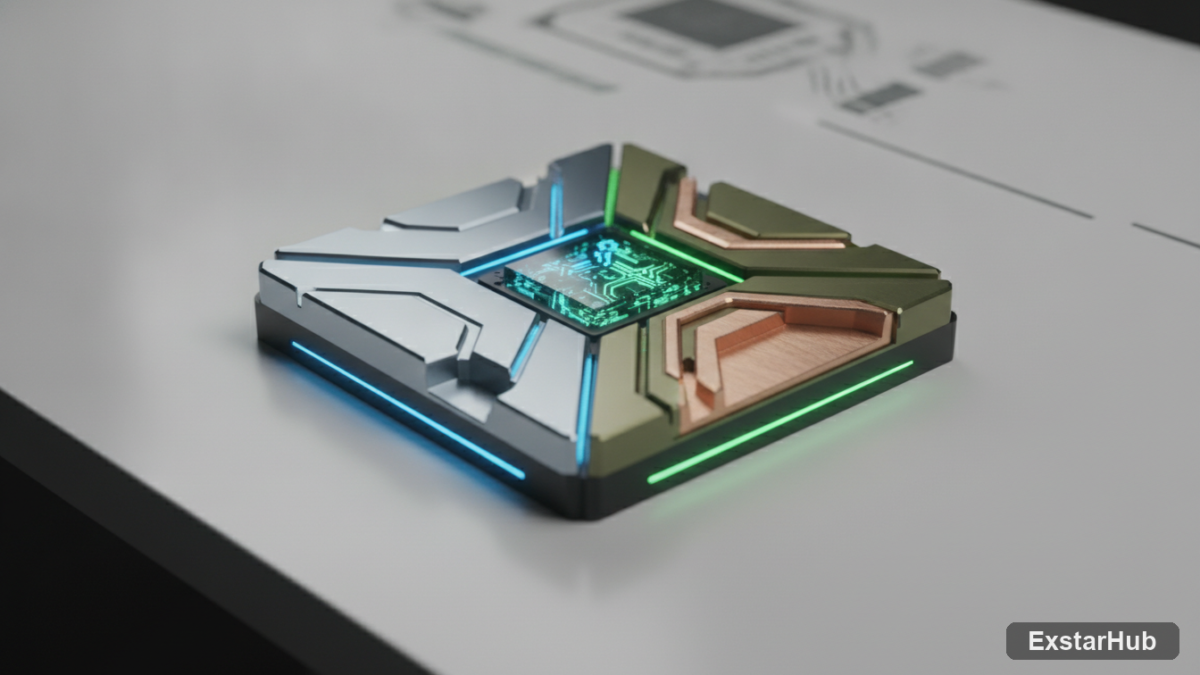
The idea of combining Intel’s x86 architecture with NVIDIA’s powerful RTX graphics felt improbable not long ago; now, a reported collaboration suggests a hybrid processor could arrive by 2028. This isn’t just about two companies playing nice—it signals a potential shift in how we think about PC hardware and the ongoing battle for dominance in the computing space.
The Genesis of a Collaboration
The rumor, initially reported by Turkish tech journalist Erdi Özüağ via VideoCardz, builds on existing collaborations between Intel and NVIDIA. Previously, these partnerships were largely focused on enterprise and data-center solutions with NVIDIA investing $5 billion into Intel last year. This investment signaled a broader agreement to jointly develop products beyond servers, hinting at the possibility of consumer-focused integrations. The prior arrangement also involved an earlier partnership between NVIDIA and Mediatek, resulting in the RTX Spark—an ARM processor paired with RTX graphics that just launched this month, offering a precedent for combining disparate architectures.
What Could a Hybrid Processor Look Like?
Details remain sparse, but the rumored processor is speculated to be part of Intel‘s Serpent Lake family, slated for release around 2028. According to Özüağ’s reporting, Intel’s current roadmap targets the first quarter of 2028 for these processors, with a potential launch event at CES 2028. However, NVIDIA’s recent focus on AI announcements—where they’ve largely avoided showcasing consumer products at major electronics events—might shift that unveiling to a different venue. Integrating RTX graphics directly into an x86 CPU could offer significant benefits beyond just novelty; it could streamline power consumption and improve overall performance by reducing data transfer bottlenecks between the CPU and GPU, a common limitation in current PC designs.
Redefining PC Hardware Architecture
For years, CPUs and GPUs have largely been separate components, a design dictated by historical factors and competitive pressures. NVIDIA’s past strategies often prioritized maintaining this separation to maximize the value of their discrete GPU business, but the evolving PC ecosystem—particularly the rise of AI workloads and integrated graphics solutions—is forcing manufacturers to reconsider their approach. Intel’s own restructuring efforts to regain market share further incentivize collaborations that push technological boundaries. This potential union represents a significant deviation from established industry practices.
The Broader Implications
This partnership has far-reaching implications for the future of PC hardware and could signal a wider trend in integration. A hybrid CPU/GPU design could simplify system builds, potentially reducing costs by eliminating the need for a discrete GPU—a benefit particularly attractive to mainstream consumers. It also suggests NVIDIA may be willing to reconsider its historical strategies and embrace more integrated solutions, possibly as a response to increasing competition in both the CPU and GPU markets. The timing is noteworthy; while AI remains a key focus for NVIDIA, a return to consumer product announcements at CES 2028 would signal a renewed emphasis on traditional gaming and desktop computing—a space where Intel remains a major player.
Why It Matters
The success of this collaboration hinges on overcoming the technical challenges inherent in integrating disparate architectures while delivering a genuinely compelling user experience. Combining x86 and RTX technology isn’t just about throwing two components together; it requires careful optimization to ensure performance doesn’t suffer, power efficiency is maintained, and developers can effectively leverage the combined capabilities. The potential rewards are substantial – simplified system builds, reduced costs for consumers, and potentially a new era of optimized PC hardware.
Key Takeaways
- Keep an eye on Intel’s Serpent Lake family for potential signs of this integrated design.
- The partnership highlights the evolving dynamics between CPU and GPU manufacturers, suggesting a move towards greater integration.
- A hybrid processor could simplify PC builds and potentially improve performance by reducing bottlenecks.
- While AI remains a priority for NVIDIA, their possible return to consumer product announcements at CES 2028 would signal renewed focus on traditional desktop computing.
FAQ
When will we see this processor released?
The current rumor suggests an early 2028 release, with CES 2028 as a potential launch venue. However, NVIDIA’s recent focus on AI may shift the announcement date.
Will this replace discrete graphics cards?
It’s unlikely to entirely replace high-end dedicated GPUs. This hybrid approach is more likely targeted at mainstream users and integrated graphics replacements rather than enthusiasts demanding maximum gaming performance.
The prospect of an Intel/NVIDIA collaboration delivering a unified x86 CPU with RTX graphics represents a significant moment for PC hardware—one that could redefine the boundaries between processing and rendering power.
Source: The FPS Review