
Intel Revives Raptor Lake with Graphics-less CPUs
Intel has quietly launched the Core 7 230H and Core 5 205H processors, resurrecting Raptor Lake architecture but notably omitting integrated graphics. These chips target specialized markets while presenting a unique position in Intel's product lineup.
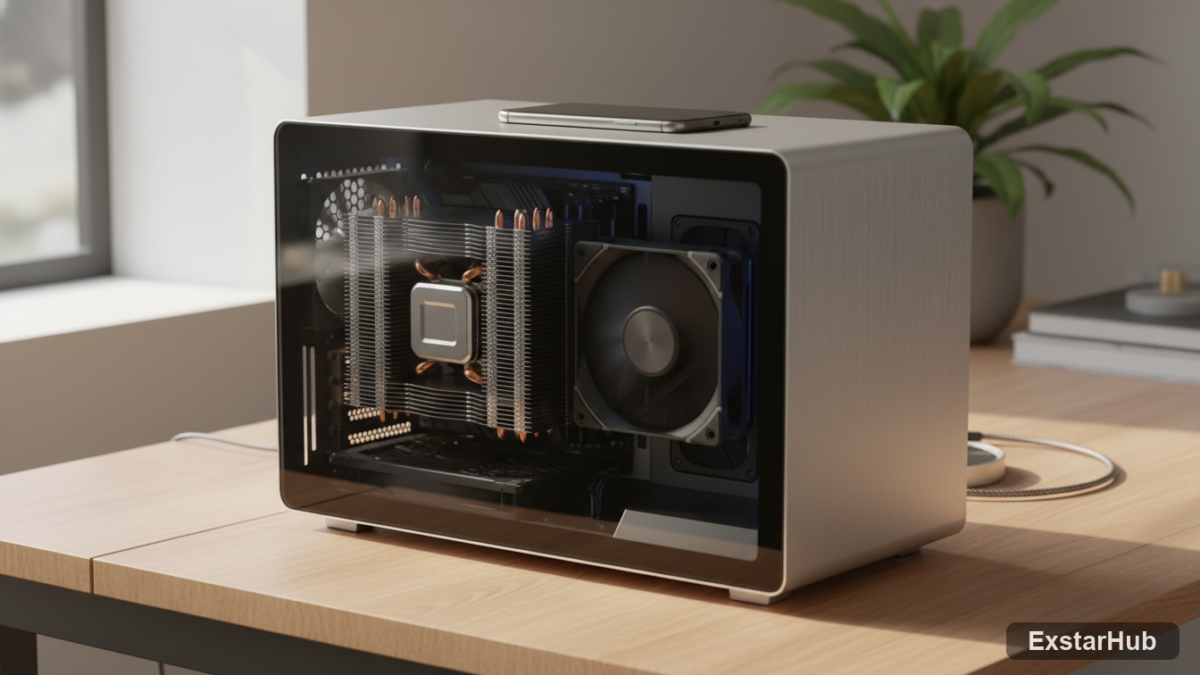
Intel’s latest moves are unusual: the company has added two new processors to its lineup – the Core 7 230H and Core 5 205H – that utilize Raptor Lake architecture but come with a distinct limitation: disabled integrated graphics. While officially released in 2026, these chips use core naming conventions typically associated with Arrow Lake, adding another layer of complexity to Intel’s product strategy.
Core Specs and Performance
The Core 7 230H is a potent 10-core processor built around a 6 performance core (P) + 4 efficiency core (E) configuration, delivering 16 threads. It boasts a maximum boost clock speed of 5.2 GHz and includes a substantial 24 MB of L3 cache, operating within a thermal design power envelope of 45W base and 115W max turbo. The Core 5 205H offers slightly reduced performance with an 8-core layout (4P+4E), a boost clock of 4.8 GHz, and 12 MB of L3 cache, while maintaining the same TDP range as its more powerful sibling. A subtle but potentially impactful difference exists in memory support: the Core 7 230H appears limited to DDR5-5200 speeds, whereas the related Core 7 240H can handle up to a faster DDR5-6400, raising questions about whether this is a deliberate limitation or a specification error.
Why No Integrated Graphics?
The absence of integrated graphics isn’t an oversight; it’s likely a deliberate strategy by Intel. The company appears to be repurposing silicon that would otherwise be discarded due to defective iGPUs, effectively extracting more value from the manufacturing process. This practice aligns with previous reports indicating Intel’s efforts to increase yield and minimize waste by utilizing dies with recoverable core functionality – even if the integrated graphics component is not fully functional.
Targeting the Mobile on Desktop (MoDT) Market
Currently, these specialized chips appear primarily suited for the Mobile on Desktop (MoDT) form factor. Chinese board manufacturer MaxSun has already embraced this opportunity, launching Micro-ATX motherboards – the MS-MoDT 230H D4 WIFI and the MS-MoDT 205H D4 WIFI – specifically designed to accommodate these Raptor Lake processors. These boards are targeted towards small form factor (SFF) systems, workstations, and edge computing deployments, suggesting a focus on compact, high-performance solutions where a discrete GPU is already expected.
Why it matters
Intel’s decision to release older Raptor Lake chips without integrated graphics introduces a niche product into an increasingly complex market. While catering to builders seeking raw CPU performance in compact setups who already have a discrete GPU, they present a challenge for general-purpose small form factor builds where integrated graphics often provide essential functionality and contribute to overall system cost savings. This strategy highlights Intel’s ongoing focus on maximizing yield from existing manufacturing processes – even if it means releasing slightly unconventional products with specific limitations. The move also potentially signals a shift towards more specialized CPU offerings, catering to segments beyond the mainstream consumer market.
Key takeaways
- Intel has released the Core 7 230H and Core 5 205H processors based on Raptor Lake architecture.
- Both CPUs lack integrated graphics, indicating a repurposing of silicon with yield-failed iGPUs.
- They primarily target the Mobile on Desktop (MoDT) market segment, as seen in MaxSun’s recent motherboard releases.
- The Core 7 230H has a slightly lower DDR5 memory speed limit compared to similar models.
- These chips are not currently available for standalone retail purchase.
FAQ
Why don’t these CPUs have integrated graphics?
Intel is utilizing silicon with defective or yield-failed iGPUs, repurposing them to maximize production efficiency and minimize waste.
What kind of systems are these CPUs intended for?
They’re primarily aimed at Mobile on Desktop (MoDT) systems – small form factor workstations and edge computing devices – that already utilize a discrete GPU.
The introduction of the Core 7 230H and Core 5 205H represents an interesting, albeit narrow, addition to Intel’s product lineup. Whether this marks a broader shift in strategy remains to be seen, but it certainly underscores the company’s commitment to maximizing value from its existing manufacturing infrastructure.
Source: TweakTown