
AMD Denies Warranty on Failing Ryzen 9 7950X3D
Reports are emerging of AMD denying warranty claims for failing Ryzen 9 7950X3D processors, fueling concerns about the reliability of these high-end chips. The denials cite physical damage, even after motherboard manufacturers have cleared their hardware.
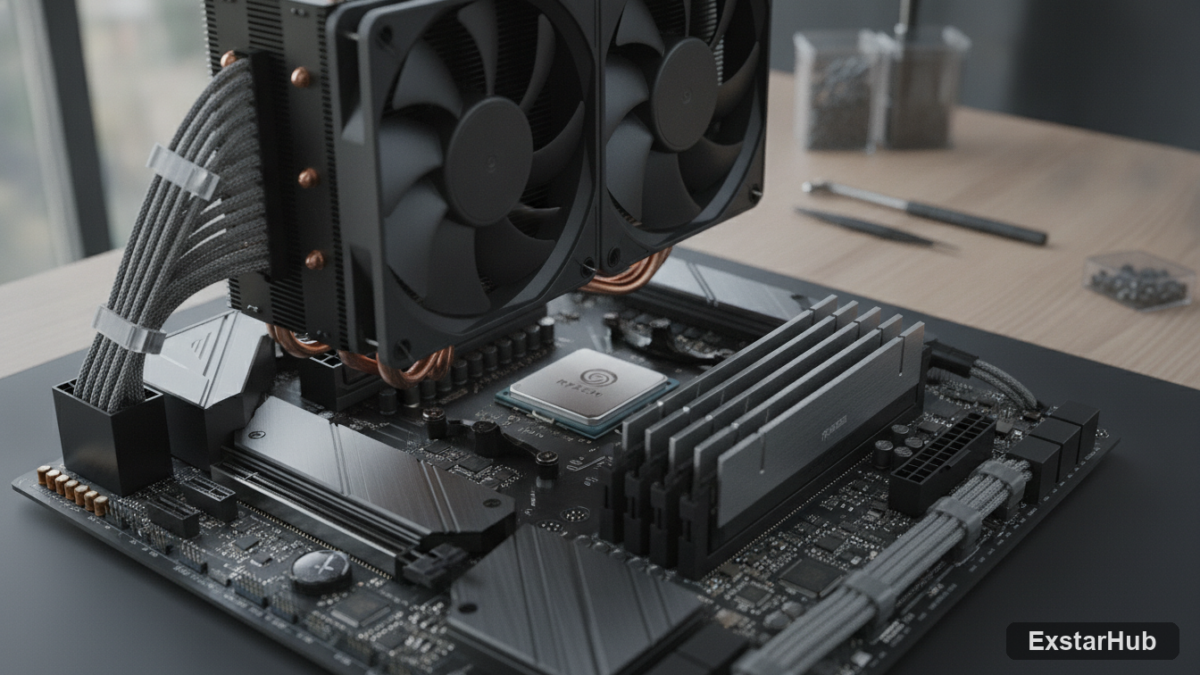
AMD is facing increasing scrutiny over its handling of warranty claims related to the Ryzen 9 7950X3D processor, with reports surfacing of denied requests citing ‘physical damages.’ This situation adds another layer of complexity to a growing discussion surrounding the stability and longevity of these powerful chips, particularly as other users report similar failures.
Recurring Issues with Ryzen X3D Processors
The issue isn’t isolated; Wccftech has documented numerous cases of Ryzen X3D processors failing on 800-series motherboards. While the Ryzen 7 9800X3D has been disproportionately affected, earlier generations have also experienced these issues. What’s notable is that failures manifest in different ways: some show visible physical damage, while others result in complete CPU failure without any immediately apparent external signs, making diagnosis and resolution challenging.
BIOS Corruption and GIGABYTE’s Findings
One particularly concerning case involves user u/VINCENT199411, whose system failed unexpectedly while idle. After the motherboard was examined by GIGABYTE, a corrupt BIOS was initially identified. Critically, GIGABYTE reported finding no short circuits and successfully restored functionality by reflashing the BIOS with another Ryzen 9 7950X3D. While GIGABYTE did mention minor damage to the CPU socket pins which they rectified, AMD ultimately denied the warranty claim, citing ‘physical damages’ as the reason for rejection.
The ‘Substrate Swelling’ Question
A key point of contention centers around how BIOS corruption could plausibly lead to a system failure and subsequent reports of substrate swelling within the processor. This raises questions about AMD’s assessment process; did they base their decision solely on photographic evidence without conducting a more thorough physical inspection of the CPU? The lack of transparency surrounding this evaluation is contributing to user frustration and distrust.
Why it Matters
This situation highlights broader concerns regarding the long-term reliability of AMD’s Ryzen 9 7950X3D processors, a product that has largely been positioned on its performance. Reports like this can erode user confidence and potentially impact future sales, particularly if design or manufacturing flaws are at play. The denial of warranty claims, coupled with inconsistent explanations from both AMD and motherboard manufacturers – especially concerning the interpretation of ‘physical damage’ in relation to potential BIOS-induced failures – creates a climate of uncertainty within the enthusiast community.
Key Takeaways
- AMD has reportedly begun denying some warranty claims for failed Ryzen 9 7950X3D processors.
- GIGABYTE identified and resolved BIOS corruption on affected motherboards, but AMD attributed the subsequent CPU failure to ‘physical damages.’
- Users are experiencing frustration due to a lack of clarity surrounding the root cause of these failures and AMD’s assessment process.
- The incidents point towards potential reliability concerns within the Ryzen X3D series that warrant further investigation.
FAQ
Why is AMD denying warranty claims?
AMD has stated they are not covering claims due to ‘physical damages,’ though the specific nature of this damage and its direct connection to the observed failure remains unclear, particularly given GIGABYTE’s initial findings regarding BIOS corruption.
What is substrate swelling?
Substrate swelling refers to a potential deformation within the CPU package. Its cause in these reported failures remains unknown and AMD has not yet provided detailed explanations about its origin or implications.
The situation represents an ongoing challenge for users investing in high-end Ryzen processors, and we will continue to monitor this issue for further developments and potential official responses from AMD.
Source: Wccftech