
The Flying Scotsman Visits Ohio: A Rare Sight for Rail Fans
The world’s largest steam locomotive, The Flying Scotsman, made a brief but memorable stop in Ohio as part of its US tour. This rare appearance offered enthusiasts and onlookers alike a chance to witness a piece of railway history.
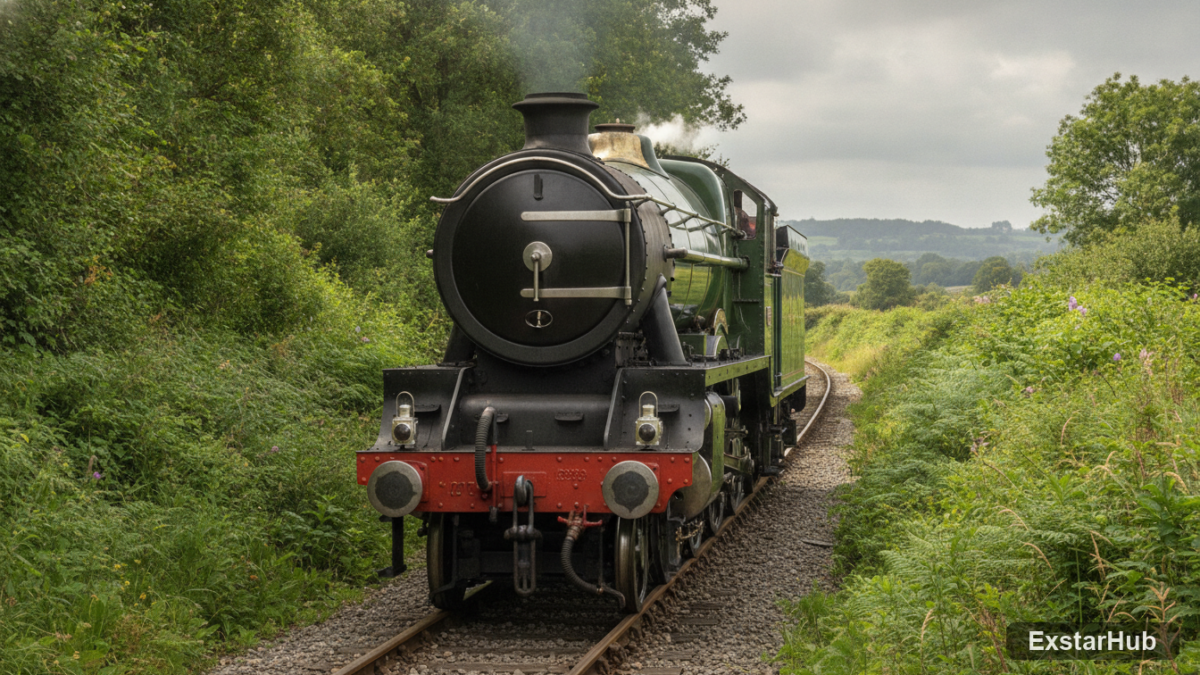
A moment rarely seen in North America occurred this week when The Flying Scotsman, widely recognized as the world’s largest steam locomotive, paused its US tour with a brief stop in Ohio. While the visit was short, it provided a remarkable spectacle for rail enthusiasts and anyone who happened to be nearby to witness this iconic machine.
A Legacy of Speed and Innovation
Built in 1923 by the London and North Eastern Railway (LNER) at Doncaster Works, The Flying Scotsman wasn’t just about hauling passengers; it was a symbol of British engineering prowess. Its design incorporated advanced streamlining techniques for its era, intended to improve airflow and efficiency—a relatively novel concept at the time. Beyond aesthetics, it quickly gained fame as the first locomotive officially recorded reaching 100 mph in 1928, establishing a significant speed record that underscored its technological advancement. The engine’s name reflects its inaugural run between London and Edinburgh – representing a symbolic connection between two major cities.
Preservation Through the Decades
The Flying Scotsman’s history is more than just about speed records; it encompasses several ownership changes and preservation efforts. It spent periods in private hands, including with Sir William McAlpine, who restored it to its original LNER livery. Following nationalization in 1948, the locomotive continued service before being withdrawn from mainline operations in 1963. Its subsequent sale to a businessman and eventual return to Britain sparked significant public interest and highlighted the importance of preserving industrial heritage. In recent years, extensive overhauls have ensured its continued operation on both UK heritage lines and international tours.
The US Tour: Bringing History Across the Atlantic
The locomotive’s current visit to North America, which began earlier this year, represents a significant undertaking. The tour schedule is meticulously planned to accommodate logistical complexities involved in transporting such a large steam engine across the ocean. Excursions offered as part of the tour are incredibly popular, with tickets often selling out quickly – demonstrating strong public demand for experiencing this historic locomotive firsthand. Its brief stop in Ohio was an opportunity for those in the region who couldn’t travel to other parts of the country to appreciate its grandeur.
Why it Matters
The Flying Scotsman transcends its function as a mere machine; it represents a tangible link to a bygone era when steam locomotives reigned supreme. Its presence evokes nostalgia and serves as a potent reminder of engineering ingenuity and industrial heritage, especially for those who remember a time before diesel engines dominated rail travel. Seeing this locomotive in operation is more than just witnessing a demonstration of power—it’s an experience that connects us to the past and fosters an appreciation for the craftsmanship and innovation of a different age. The ongoing tours like this one help ensure future generations can appreciate the engineering feats of the 20th century.
Key Takeaways
- The Flying Scotsman is recognized globally as the world’s largest steam locomotive, built in 1923 at Doncaster Works.
- It’s currently on a US tour, providing limited viewing and riding opportunities for enthusiasts.
- The locomotive famously broke the 100 mph speed record in 1928, showcasing its advanced design for the time.
- Tickets for excursions aboard The Flying Scotsman are highly sought after due to their exclusivity.
- Its visit serves as a vital link to railway history and highlights the importance of preserving industrial heritage.
FAQ
How long was The Flying Scotsman’s stop in Ohio?
The stop was brief, lasting only a few hours as part of its ongoing US tour – primarily to allow for refueling and maintenance.
What is the significance of this visit to the United States?
It provides a rare opportunity for American audiences to witness and appreciate a significant piece of British railway history and engineering achievement, something most have only seen in photographs or films.
The brief stop in Ohio served as a poignant reminder of the enduring appeal of steam locomotives and their place in our collective memory. Its departure leaves behind echoes of its journey, reminding us of the power and beauty of engineering past.
Source: FOX 8 News