Pixel 11: How Google Can Fix My Pixel 10 Pro XL Regrets
After a year with the Pixel 10 Pro XL, several frustrations emerged that impacted daily use. The upcoming Pixel 11 presents an opportunity for Google to address these shortcomings and reclaim its position as Android's top choice.
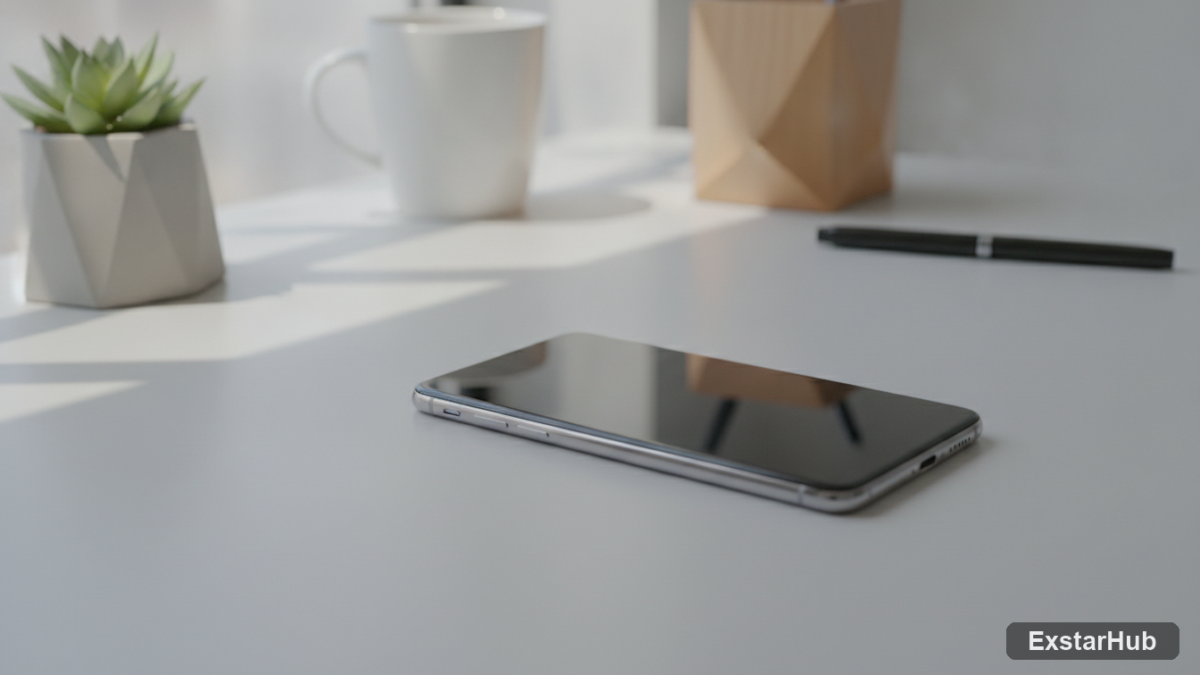
For a while, the Pixel 10 Pro XL seemed like smartphone perfection. It topped our best phones guide for a reason. But after a year of use, several nagging issues morphed into significant drawbacks, prompting a switch to another device – with hope that the Pixel 11 can learn from those shortcomings and truly deliver on Google’s potential.
Software Customization Still Lags Behind
Google’s Android experience has long been lauded for its simplicity and “stock” feel. However, recent software limitations have become significant drawbacks. The persistent search bar on the home screen felt like an unnecessary intrusion, consuming valuable space that could be used more effectively. The lack of meaningful personalization options beyond removing the ‘At a Glance’ widget – something Google only addressed earlier this year – felt restrictive compared to alternatives offering greater control over the user interface. Users have long requested customization features and the belated addition of a single toggle for Wi-Fi and mobile data in Android 17 highlights this delayed responsiveness. Furthermore, Google’s first-party widgets consistently fall short in aesthetic appeal when compared to competitors like Samsung; their visual design often feels dated and uninspired.
Weight and Ergonomics Create Daily Use Issues
At 232g, the Pixel 10 Pro XL is noticeably heavy—one of the heftiest phones available. Combined with the optional Pixelsnap case (adding further weight), the device easily exceeds 260g. This significant weight makes one-handed use difficult and uncomfortable, even for short periods. The contrast with lighter alternatives like Samsung’s Galaxy Z Fold 7, which weighs in at 17g less despite featuring two screens, underscores Google’s need to prioritize material efficiency and design choices that minimize heft. The sheer mass of the device also makes it noticeable in a pocket—a constant reminder of its substantial weight.
Zoom Photography Disappointments
While the Pixel 10 Pro XL delivers strong performance with its main and ultrawide lenses, its telephoto capabilities leave much to be desired. The phone advertises up to 100x zoom using AI-powered ‘Pro Res Zoom,’ but in practice, it’s a letdown. The 5x optical zoom provided by the periscope lens performs well for closer subjects, but anything beyond 10x often results in unrealistic scenery or even fabricated details—a disappointing experience for those seeking genuine photographic results. Users expect more than AI-generated imagery when attempting to capture distant scenes.
Why it matters
Google’s Pixel line is consistently positioned as a benchmark for Android smartphones, representing the purest expression of the mobile operating system. The writer’s experience highlights that while hardware and core software features remain excellent, seemingly minor design choices and user interface limitations can significantly impact daily usability and overall satisfaction. Addressing these issues—particularly around customization, weight, and camera performance—is crucial for the Pixel 11 to maintain its position at the top of the smartphone market and cater to a wider range of users who value flexibility, comfort, and reliable image quality. The potential for improvement is clear – Google could learn from competitors like Samsung’s Good Lock app or adopt lighter materials in construction.
Key takeaways
- The Pixel 10 Pro XL’s software lacked meaningful customization options compared to competitors, particularly with its persistent search bar and limited home screen personalization.
- Its weight (232g) made one-handed use difficult and uncomfortable, especially when combined with a case.
- Zoom photography performance, particularly at higher zoom levels, was underwhelming due to reliance on AI generation, delivering often unrealistic or fabricated images.
- Google has the opportunity to address these issues with the Pixel 11 series through software updates and design refinements.
- Material choice—specifically aluminum alloy type and thickness—could significantly reduce weight without compromising premium feel.
FAQ
Why did you switch from the Pixel 10 Pro XL?
A combination of software limitations, excessive weight, and disappointing zoom photography performance ultimately led to a decision to switch to an alternative device offering a more satisfying user experience.
What could the Pixel 11 improve upon?
Improved customization options (like Samsung’s Good Lock app), reduced weight through material choices like Armor Aluminium or titanium, and enhanced zoom camera capabilities are key areas for improvement in the upcoming Pixel 11.
When is the Pixel 11 expected to be released?
While a specific release date isn’t available, Google typically launches its flagship Pixels in the fall (October/November), following a predictable annual product cycle.
The Pixel 10 Pro XL had its charms—the core Android experience remains compelling. However, the potential for improvement offered by the Pixel 11 is exciting, and addressing these shortcomings could cement Google’s position as a leader in Android smartphones.
Source: Tech Advisor