Apple’s OpenAI Lawsuit Names io, but Not Jony Ive
Apple's trade-secret complaint names OpenAI, io Products and two former Apple employees, but not io co-founder Jony Ive. The distinction reflects the conduct Apple actually alleges.
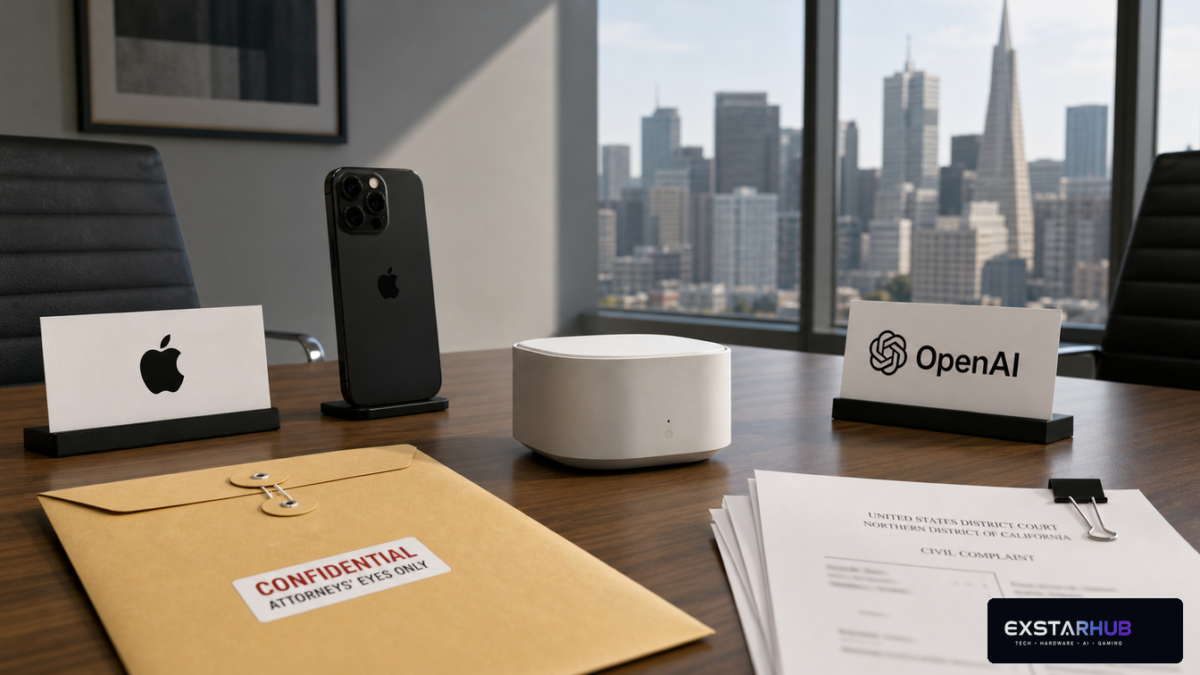
Apple’s trade-secret lawsuit against OpenAI reaches directly into the AI company’s hardware operation, but it does not name Jony Ive as an individual defendant. Instead, the complaint names OpenAI entities, io Products, OpenAI chief hardware officer Tang Yew Tan and former Apple engineer Chang Liu.
That distinction matters because the case is not a general objection to OpenAI hiring former Apple staff or acquiring Ive’s company. Apple’s 10 July 2026 complaint makes specific allegations about confidential hardware information, recruiting practices and the conduct of Tan and Liu. Those allegations have not been proven in court, and OpenAI has said it is not aware of evidence that the complaint has merit.
Who Apple actually sued
The federal docket in the Northern District of California lists claims for trade-secret misappropriation and breach of contract against Chang Liu, Tang Yew Tan, io Products and several OpenAI entities. Tan spent 24 years at Apple and most recently served as a vice president involved in iPhone and Apple Watch product design before helping establish io. Liu worked at Apple as a senior systems electrical engineer before joining OpenAI in January 2026.
Apple says more than 400 former Apple employees now work at OpenAI. That figure describes the size of the talent migration; it does not mean Apple has accused all 400 people of stealing secrets. The complaint centres on more particular alleged conduct involving recruitment interviews, documents, hardware components and access to internal systems.
According to Apple, Tan encouraged candidates from Apple to disclose information about unreleased products and manufacturing processes during OpenAI interviews. Apple also alleges that Liu retained an Apple-issued laptop and later used an authentication flaw to access and download confidential hardware files after joining OpenAI. Both points remain allegations that the defendants can contest.
Why io Products is named but Jony Ive is not
OpenAI acquired io Products, the hardware startup co-founded by Ive, in a deal reported at roughly $6.5 billion in 2025. The company became part of OpenAI’s push into consumer devices, and io Products is a defendant in Apple’s case.
Ive’s absence from the defendant list should not be treated as proof of a special exemption or a public-relations bargain. A civil complaint names parties against whom the plaintiff believes it can plead specific legal claims. Apple’s filing describes alleged actions by Tan, Liu and OpenAI personnel, but publicly available reporting has not identified a comparable allegation that Ive personally took or directed the taking of Apple trade secrets.
That is the narrower and more defensible explanation: Apple included the corporate hardware operation it says benefited from the alleged conduct while naming the individuals whose actions are described in detail. If later evidence changes the scope of the case, the parties and claims could also change, but the current complaint does not justify guessing at Apple’s private motives.
The lawsuit is about hardware, not model training
This case is also distinct from the copyright and training-data disputes surrounding generative AI. Apple’s allegations concern hardware designs, components, manufacturing methods, supplier information and unreleased product work. They are not allegations that OpenAI trained ChatGPT on Apple’s confidential data.
ExstarHub previously covered the broader rupture in Apple’s original lawsuit against OpenAI. The narrower focus here is what the defendant list reveals: Apple is targeting the people and entities connected to OpenAI’s device programme rather than every former Apple employee or every part of the companies’ relationship.
What the case could affect
Apple is seeking a jury trial and remedies aimed at stopping use of its alleged trade secrets. If it wins, the case could force changes to how OpenAI develops hardware, handles material brought by new employees and separates general experience from protected information. The immediate legal burden, however, remains on Apple to identify protectable secrets and prove misappropriation.
OpenAI’s response is equally important. The company says it takes the allegations seriously but has no interest in other companies’ trade secrets and has not seen evidence that the complaint has merit. That denial means the filing should be reported as Apple’s account, not as an established finding.
The dispute arrives as AI companies expand beyond software into devices, making employee mobility and information controls more consequential. ExstarHub’s coverage of OpenAI’s governance framework examined how the company presents its risk controls; this lawsuit will test a different kind of governance around recruitment, hardware development and confidential information.
Source: Crypto Briefing